Water Diplomacy: How Shared Rivers Are Reshaping Regional Politics
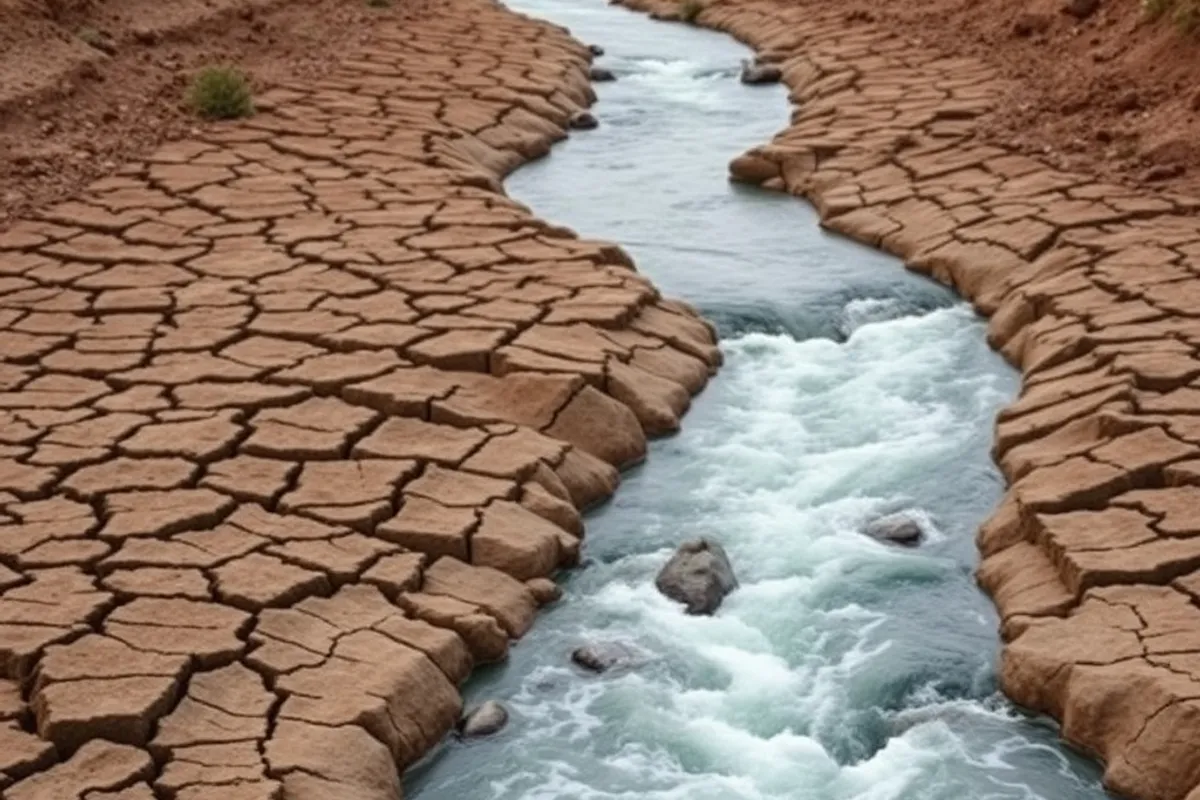
Water treaties are written in wet years and tested in dry ones. This year has been dry across several shared basins, and the tests are arriving at once: lower reservoir levels, competing irrigation demands and cities that keep growing regardless of what the sky does. The result is a quiet but consequential shift in regional politics.
The basin problem
A river does not respect a border. Upstream use affects downstream supply, and the legal frameworks that govern sharing are often older than the dams they are meant to manage. Many treaties allocate water by volume without accounting for drought, and few include clear rules for what happens when the volume is not there.
That gap turns hydrology into politics. A country that builds storage upstream can improve its own reliability while reducing flow downstream. The downstream country calls it a violation; the upstream country calls it development. Without shared data, neither claim can be tested.
Dams and the limits of notification
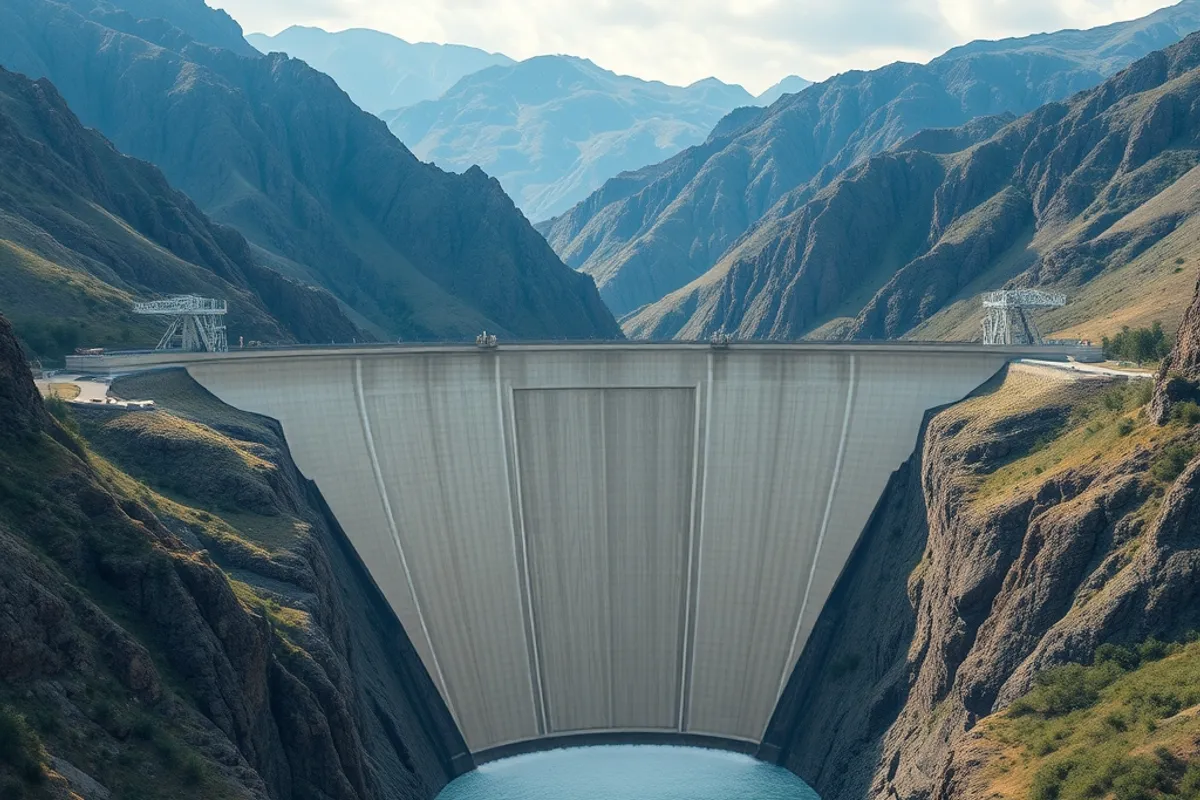
Most modern agreements require notification before a major dam is built, but notification is not consent. A project can proceed over objections if the legal text allows it, and many do. The result is a familiar pattern: years of talks, a dam that opens anyway and a downstream region that adapts by pumping groundwater, which creates a new problem.
The better agreements include joint operation rules, not just construction notices. They specify how much water is released during dry periods, who pays for monitoring and how disputes are escalated. Those details are unglamorous and essential.
Why data sharing matters more than treaties
You cannot manage what you cannot measure. In basins where flow and rainfall data are shared in near real time, disputes are narrower and easier to resolve. Where data is treated as a state secret, every dry week becomes a confrontation based on suspicion.
Satellite monitoring has made hiding large-scale water use harder, but it does not replace ground data on releases, withdrawals and water quality. A credible joint monitoring body is often the difference between a treaty that works and one that is cited only in speeches.
Food, energy and the trade-offs
Agriculture uses roughly 70 percent of freshwater withdrawals globally, so any allocation decision is also a food decision. Hydropower adds another claimant, and cooling for energy plants adds more. In dry years, the competition is not abstract; it determines which crops get planted and which cities face restrictions.
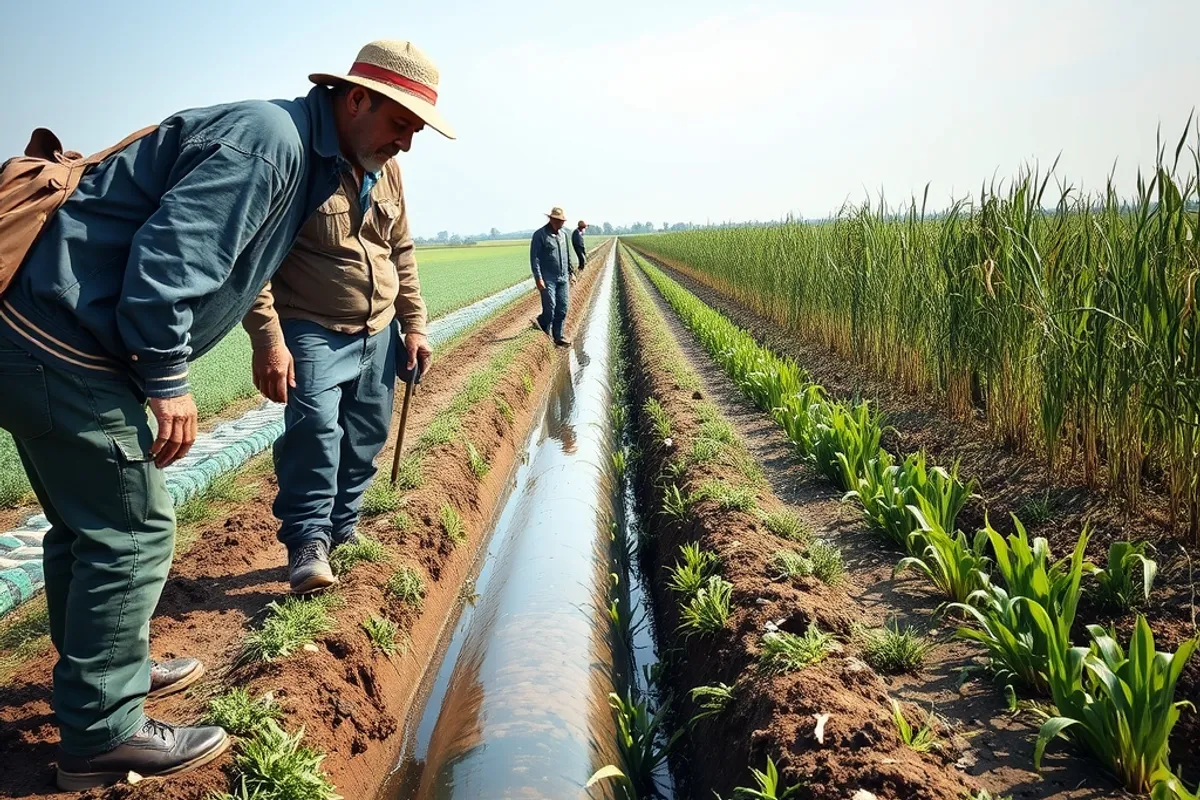
The trade-offs are increasingly explicit. Some regions are paying farmers to switch to less thirsty crops, while others invest in drip irrigation and wastewater reuse. Those measures help, but they take years and money. Drought arrives faster than infrastructure.
"The question is no longer whether rivers will be shared. It is whether they will be shared by negotiation or by emergency."
What is working
Three approaches show promise. First, basin-wide data platforms with independent verification. Second, seasonal forecasting that lets farmers plant before a dry spell rather than after. Third, dispute panels with a mandate to rule quickly, even if their decisions are not binding.
Smaller agreements also matter. Municipal partnerships, irrigation associations and cross-border park authorities often solve practical problems that national negotiators cannot. These arrangements build trust that later makes bigger deals possible.
The next five years
Climate projections point to more variable rainfall, not simply less. That means both floods and droughts, sometimes in the same basin in the same year. Infrastructure designed for a stable average will fail more often, and treaties written for a stable average will be tested more often.
The countries that adapt fastest will be those that treat water as a shared system rather than a national possession. That is a political choice as much as a technical one, and it will be made in meeting rooms far from the riverbanks.
Related: why freight routes and costs are changing. More in Global Perspectives.