Global Shipping Rates 2026: Why Freight Costs Stay Stubborn
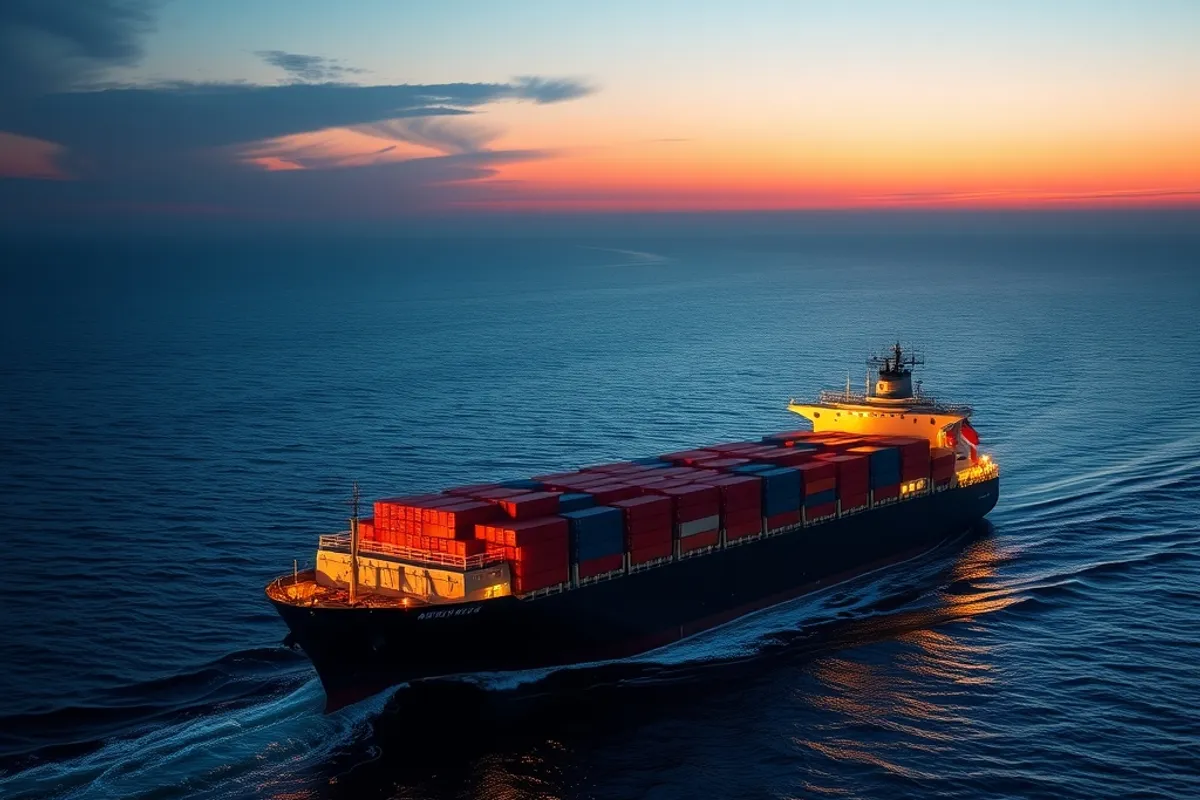
By every textbook measure, container rates should have collapsed this year. The global fleet grew by 7 percent, fuel costs eased and demand rose only modestly. Instead, spot rates on major routes remain roughly double their 2019 level and 40 percent above the pre-2024 average. The gap between the textbook and the invoice is a story about distance, congestion and risk.
Why the extra ships are not enough
New capacity has been absorbed by longer voyages. Ships avoiding the Red Sea take the Cape route, adding roughly 3,500 nautical miles and 10 to 14 days to an Asia-Europe journey. That ties up vessels that would otherwise add capacity, effectively canceling out much of the new tonnage.
Carriers have also slowed ships to save fuel and improve reliability, which further reduces effective capacity. Slow steaming is good for emissions and schedules, but it means fewer voyages per ship per year. The result is a market that looks oversupplied on paper and tight in practice.
Port congestion has moved, not vanished
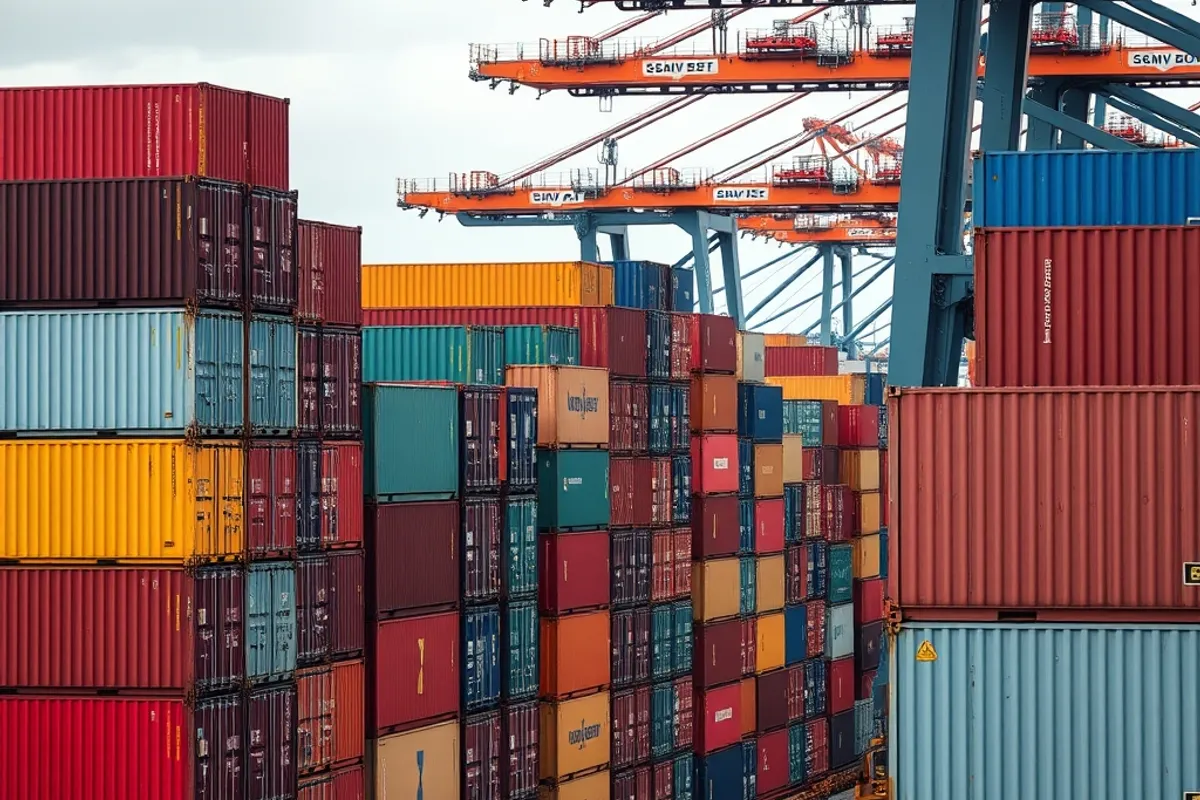
The worst queues of 2024 have cleared, but congestion has reappeared in different places. Some Mediterranean and West African ports are handling more transshipment traffic than their yards were designed for, and rail connections inland are the bottleneck at several major gateways.
Congestion is expensive because it is unpredictable. A retailer that cannot say when a container will arrive holds more safety stock, and that stock ties up cash. The cost shows up not as a freight surcharge but as higher inventory and warehouse bills, which eventually reach the shelf price.
What it means for prices
Freight is a small share of most retail prices, typically 2 to 8 percent for consumer goods. Doubling that share adds a few percent to landed cost, not to the retail price one-for-one. The bigger effect is uncertainty: when arrival dates move, companies build buffers into prices rather than risk empty shelves.
Bulky, low-value goods are hit hardest. Furniture, building materials and some appliances carry freight costs that can exceed 15 percent of landed value. Those categories have seen the most persistent price increases, even as headline inflation has cooled.
"Freight rates are a tax on distance. When distance grows, the tax follows, and it rarely shrinks as fast as it rose."
Capacity, contracts and the spot market
Most large shippers buy on annual contracts, which have been settling below spot rates. That protects them from the worst of the market and explains why some importers report stable costs while smaller buyers face steep quotes. The spot market is where the pain concentrates.
Carriers are also managing capacity more aggressively, canceling sailings to keep ships full. Blank sailings, once a sign of weakness, are now a routine tool. For shippers, that means less predictable schedules and more reason to book earlier.
Can rates fall in 2027?
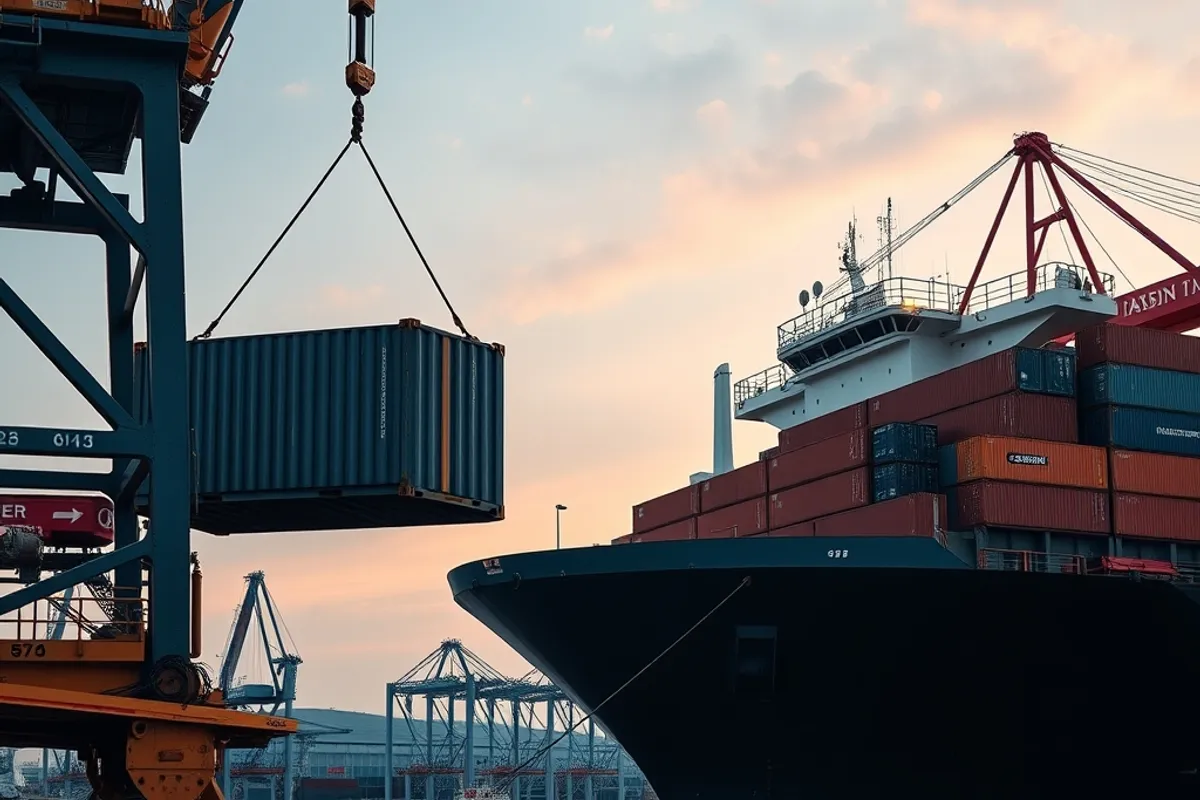
Three things could push rates down: a durable reopening of the shorter route, faster port expansion and weaker demand. None is guaranteed. A ceasefire that restores Red Sea transits would release capacity quickly, but insurers would need to return before carriers follow, and that could take months.
New port capacity is arriving slowly. Several terminals under construction will not open before 2028, and inland rail links are the harder constraint. Demand is the wild card; a slowdown in major economies would ease pressure, but it would also hurt the exporters who depend on those routes.
What buyers can do
Book earlier, contract for a share of volume rather than all of it, and build realistic lead times into planning. Diversifying suppliers helps, but only if the alternative routes are genuinely shorter. For small importers, joining a freight forwarder's consolidated service is often cheaper than chasing spot quotes alone.
The broader lesson is that supply chains are still paying for geography and risk. The ships are newer and cleaner, but the map has not changed, and neither has the cost of crossing it.
Related: how shared rivers reshape regional politics. More in Global Perspectives.