National Rail Expansion 2026: What the New Corridor Changes for Commuters
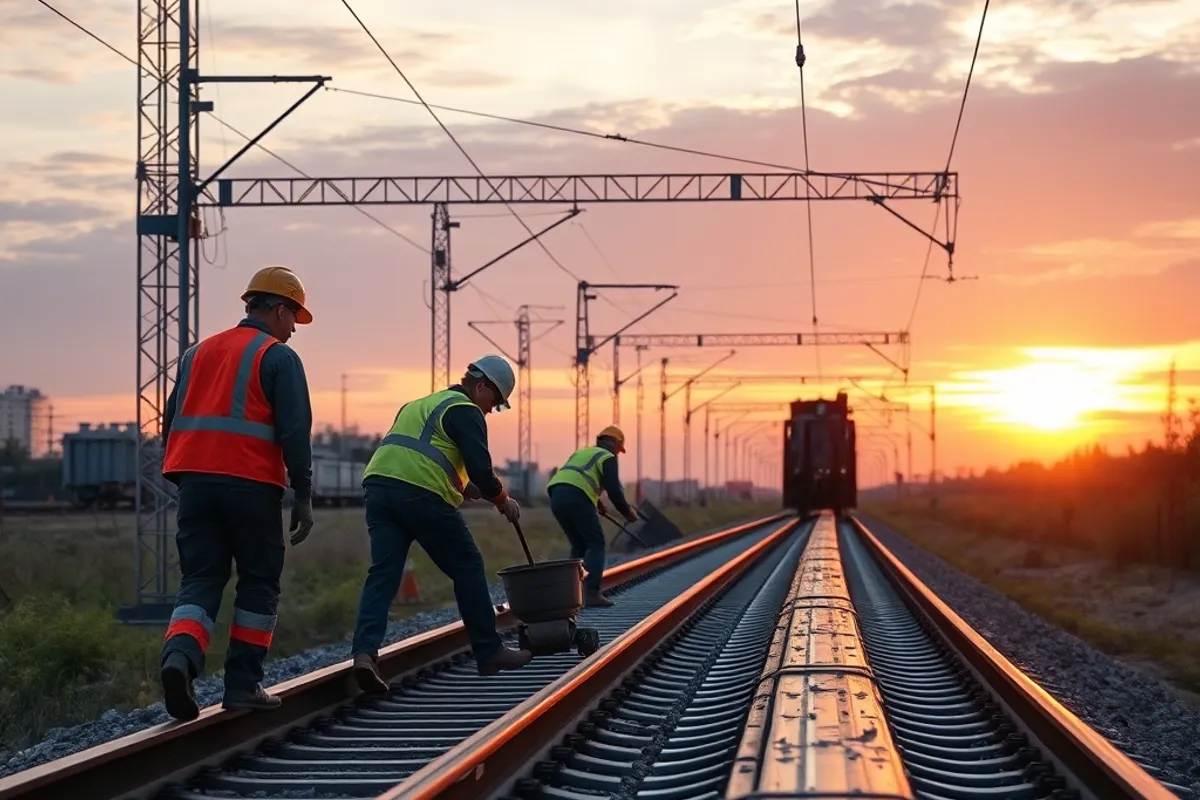
The first section of the 212-mile corridor opens in stages beginning in 2029, but the decisions being made this year already determine who benefits. At a briefing this week, the transport authority confirmed nine stations, four of them new, and an express journey of two hours and forty minutes between the two terminal cities. That is 38 minutes faster than the current service and, according to the authority's own modeling, enough to move roughly 14,000 daily trips off the parallel highway.
The numbers are promising, but the corridor is not a single project. It is a bundle of track upgrades, bridge replacements, station builds and signaling work, each with its own contract and its own risk of delay. Understanding which piece is which matters, because a late bridge can hold up a whole timetable even when the track itself is finished.
Where the time savings come from
Most of the gain is not top speed. The new trains will run at 125 mph on the rebuilt central section, but the bigger improvement is the removal of four level crossings and a bottleneck junction that currently forces trains to wait. Those changes cut an average of 19 minutes before the trains even reach their new top speed.
The remaining savings come from station design. Platforms will be level with train floors, with wide doors and two entrances, cutting dwell time from roughly three minutes to under one. Across nine stops, that alone is worth around 15 minutes on a stopping service.
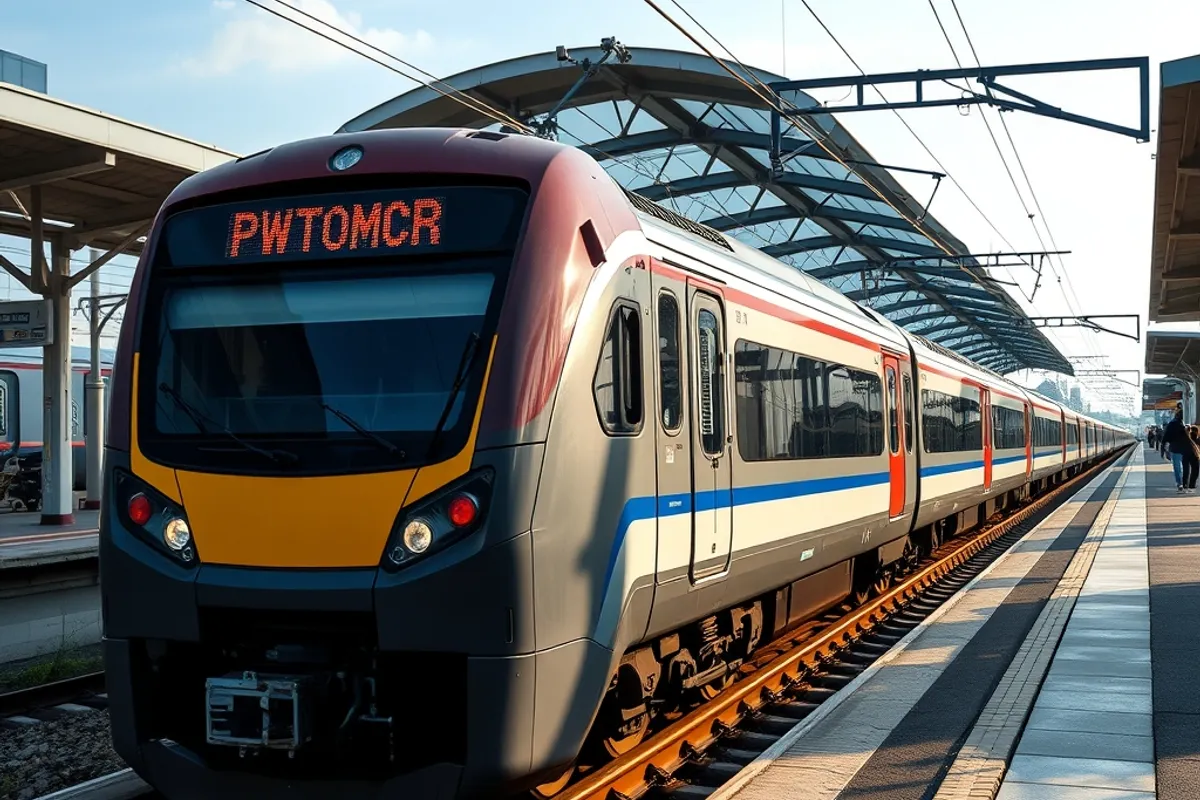
For daily commuters, the practical question is whether the timetable will operate at the new speed all day or only at peak. The authority says the fastest journey will run hourly from 6 a.m. to 8 p.m., with semifast services in between. That is a credible promise, provided the rolling stock order stays on schedule. The first eight trains are due for delivery in 2028, with a further 14 in option.
The commute math
Take a commuter who currently drives 46 miles each way. At an average of 24 mpg and $3.40 a gallon, that is about $13 a day in fuel, before parking at roughly $9 and wear on the car. The proposed monthly rail pass is expected to land near $210, or about $9.50 per working day. The saving is real but not dramatic; the stronger argument is the 90 minutes a week returned to the passenger.
That math changes for households with two cars. A family that drops one vehicle saves insurance, registration, maintenance and depreciation, which our cost model puts at $4,100 a year for a mid-size car driven 12,000 miles. Rail becomes the cheaper option quickly when a car can be removed entirely.
"The corridor will not make everyone faster. It will make some journeys predictable, and predictability is what commuters actually pay for."
Towns that gain and towns that lose
Three of the new stations sit in towns that lost service in the 1960s. Local planners expect modest housing demand within walking distance of those stops, and two councils have already changed zoning to allow apartments above shops near the station squares. That is the clearest financial upside: land value near a reliable service.
Not every place benefits. Two existing stops will lose their direct express service so the new timetable can hold together, adding up to 11 minutes to those journeys. The authority has offered a bus connection to the nearest fast station, but the transfer adds time and uncertainty. Residents in those towns have a legitimate complaint, and the consultation period on the timetable runs until December.
Construction timeline and risk
The bridge replacements are the critical path. Four of the seven bridges must close for between six and fourteen months, and two of those closures affect local roads with no convenient detour. The contract includes a requirement to maintain one lane in each direction during peak hours, but that promise depends on the contractor's staging plan, which has not been published in full.
The authority's own risk register, released after a public records request, lists utility relocation as the most likely cause of delay. Old water and gas lines run directly under three station sites, and moving them is slow, expensive and hard to predict. The $1.1 billion contingency exists for exactly this reason. Whether it is enough will be clearer after the first two station excavations finish next spring.
Tickets, transfers and access
Fares will stay within the existing regional structure, with a small premium for the fastest express. Transfers to local buses will be included in the ticket for 90 minutes, which is a meaningful improvement over the current system where a transfer costs extra. Contactless payment at all nine stations is promised from day one, along with two car parks and secure bicycle parking at the four new stops.
Accessibility is better than the old network but not perfect. All new platforms are level, but two rebuilt stations keep a pedestrian underpass instead of lifts, which the disability advisory panel criticized in its formal response. The authority says lifts were removed to protect the budget; advocates say the decision excludes people who were promised an accessible network.
What riders should watch
Three dates matter. The final timetable consultation closes in December, the rolling stock contract has a delivery review in early 2028, and the first station excavation results are due next spring. If the utility work runs long, the opening slips; if the train order slips, the fastest service may launch with fewer carriages than promised.
For now, the corridor is the most consequential transport decision in the country this year. It is not a magic fix for sprawl or housing costs, but it gives a large group of commuters a real alternative for the first time in decades. That is worth following closely, and we will keep reporting the details as the contracts and timetables are published.
Related coverage: where rents are finally falling and this week's cost check. More transport and public-service reporting sits in National Headlines.