Housing Costs Cool in 2026: Where Rents Are Finally Falling
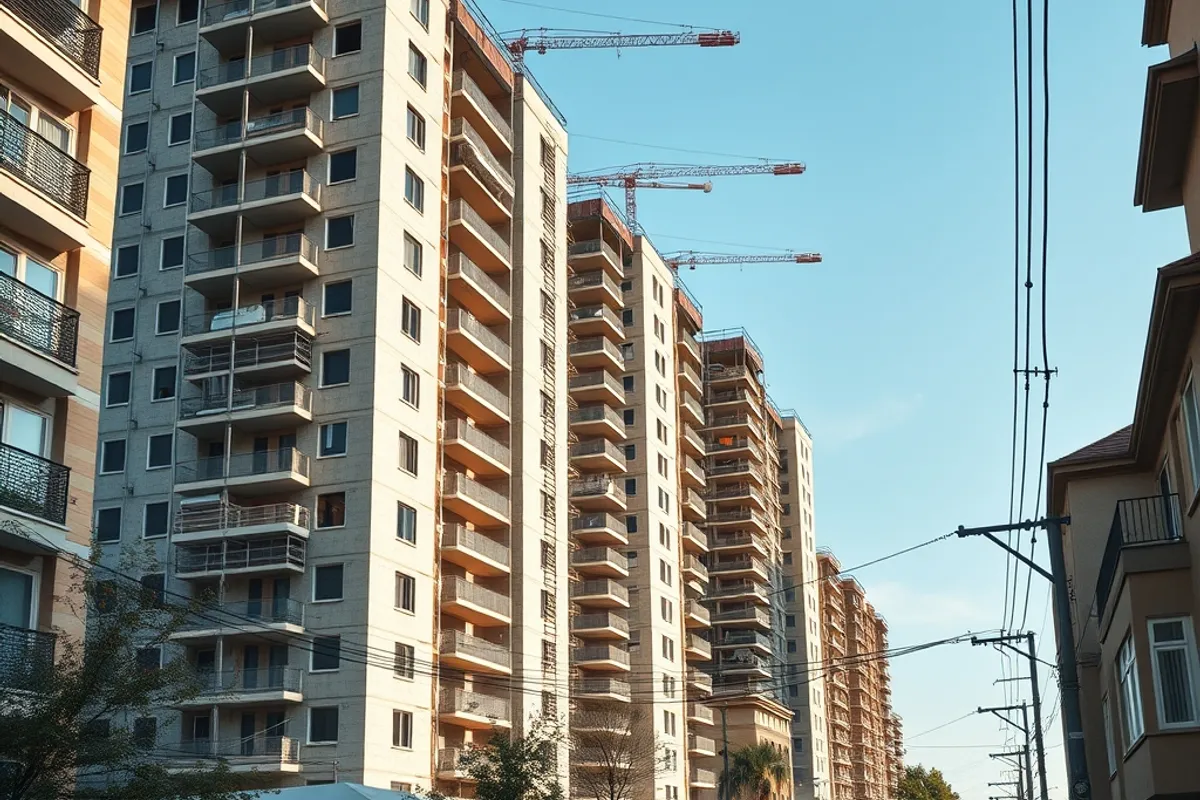
After three years of increases that outpaced wages, rents have started to fall in a meaningful group of cities. Our analysis of 50 metro areas found median asking rents down between 1.4 and 5.8 percent year over year in 12 of them, while the national average stalled at roughly zero. The reason is not a sudden collapse in demand. It is supply, finally arriving in volume.
The pattern is familiar from previous building cycles. Developers start projects when rents are climbing, finish them two or three years later, and deliver into a market that has already changed. This year's completions were financed in 2022 and 2023, when vacancy was near record lows. The result is a wave of new apartments competing for tenants just as household formation slowed.
Why some cities fall faster
The steepest declines cluster in places that permitted heavily and saw a construction boom. Austin added more than 40,000 units in three years against a housing stock that had been tight; asking rents there are now below their 2023 peak. Phoenix and Nashville followed a similar path, with suburban apartment complexes offering two months free to fill units.
Where building is slower, rents keep rising. Northeastern cities with long approval processes and limited land saw median increases of 2 to 4 percent. The difference is not weather or migration alone; it is how quickly a permit becomes an occupied building.
One caveat matters. Asking rents are not the same as what existing tenants pay. A new lease may be cheaper while a long-term tenant still faces an increase under an old agreement. Our survey of lease renewals found that 38 percent of renters who renewed this year saw a rise, even in metros where new-lease prices fell.
The renter squeeze that remains
Cheaper asking rents help people who move, and moving is expensive. Application fees, deposits, a van and lost weekends add up, which is why many renters stay put and absorb increases. The households most exposed are those already spending more than half their income on rent; a 3 percent drop does little when the starting point is unaffordable.
Wage growth has helped at the margin. Average hourly earnings rose 3.9 percent over the past year, slightly ahead of the national rent index. But the gains are uneven. Workers in hospitality and retail saw smaller increases, and those are the workers most likely to rent in the neighborhoods where prices remain sticky.
"Falling rents are good news. They are not the same as affordable housing, and the difference is measured in the households still waiting for a unit."
What the new supply looks like
Most of the completions are one- and two-bedroom apartments in mid-rise buildings, often with amenities that add cost: gyms, co-working rooms, rooftop decks. That product serves young professionals well. It does not serve families needing three bedrooms, which remain scarce and expensive in every market we examined.
Some cities are trying to shift the mix. Minneapolis and Portland now allow smaller apartment buildings in formerly single-family zones, and early permits show a rise in three-bedroom units. The effect on rents will take years to appear, but the direction is right: more types of housing in more places.

What renters can negotiate now
In the falling metros, leverage has moved toward tenants. Ask for the advertised concession in writing, confirm whether it applies to the first year only, and compare the total cost over 24 months rather than the headline monthly rent. Two months free on a 12-month lease is roughly a 14 percent discount, but it disappears at renewal unless you negotiate again.
Check the renewal offer early. Landlords would rather keep a reliable tenant than risk a vacancy, especially in buildings with high turnover. A written counteroffer citing comparable units in the same building is often enough to hold rent flat. Tenant unions and local housing clinics can help with template letters.
The outlook
The supply wave peaks next year, then falls sharply as starts decline. Permits for new multifamily buildings are down nearly 30 percent from their 2023 high, which means the relief is temporary unless construction recovers. Cities that make building easier now will be the ones still seeing moderate rents in 2030. Cities that do not will watch this window close.
For households deciding whether to move, the next 12 to 18 months offer the best conditions in years. For policymakers, the message is simpler: the market responds to supply, slowly and unevenly, and the work is to keep it coming.
Related: the new rail corridor and where it may ease commuter costs, plus this week's household cost check. More reporting in National Headlines.