Council Transparency Rules 2026: What Changes for Residents

The council adopted a new transparency framework this week, and it is the most significant change to local public records in a decade. Contracts over $50,000 must be published, a lobbying register becomes mandatory, and meeting minutes have to appear within five working days. The rules take effect in January, but the arguments that shaped them are worth understanding now.
What the rules require
The contract rule is the most consequential. Previously, only awards above $250,000 were published, and key schedules were often redacted. The new threshold is $50,000, and redactions must be justified line by line. That does not guarantee readability, but it makes blanket secrecy harder to defend.
Minutes must be published within five working days, down from an informal target of three weeks. Draft minutes will be published immediately, then replaced by approved versions. The change is aimed at live issues such as planning decisions, where a three-week delay can make public comment meaningless.
The lobbying register
Anyone paid to influence a council decision must now register quarterly, listing who they work for, which officials they met and what subject was discussed. The register is public and searchable. In-house staff lobbying on behalf of their own employer are included, which closes a common exemption.
The gap is enforcement. There is no requirement to record informal contacts at events or on the phone, and the penalty for failing to register is a letter rather than a fine unless the omission is repeated. Good-faith compliance will be high; bad-faith operators will still find room.
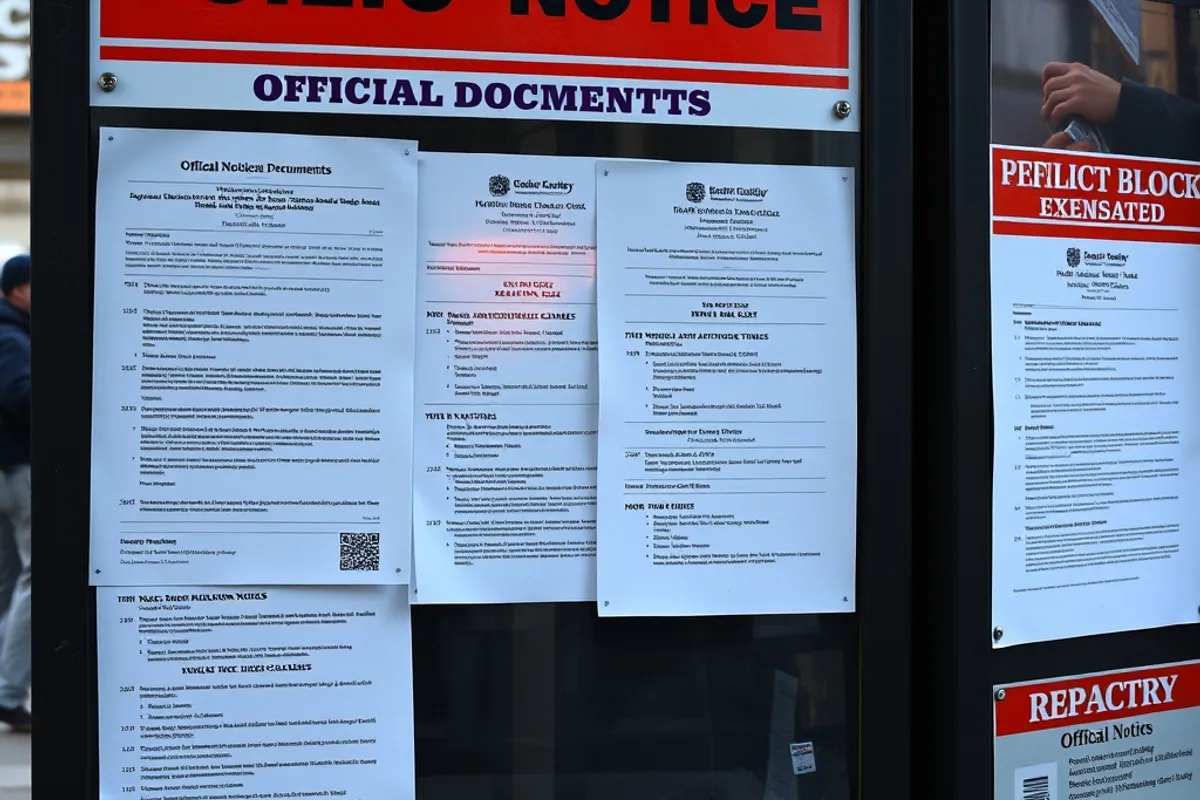
Where the gaps remain
Three areas are weaker than the headline suggests. First, procurement scoring sheets are still confidential, so the public can see who won but not how the decision was scored. Second, companies can request that commercially sensitive sections stay hidden for up to three years, a period critics call excessive.
Third, the rules cover the council but not its wholly owned companies. Several large service contracts sit inside those entities, and they will continue to publish only summary accounts. An amendment to close that gap failed by two votes, with opponents arguing it would duplicate existing audit arrangements.
"Transparency is not a document dump. It is the difference between information being available and information being usable."
How residents can use it
Start with the meeting calendar and the draft minutes. Most decisions are visible in the agenda papers before the vote, which is the point at which public comment can still change something. If a contract interests you, search the published awards page by department and look for the contract value and duration.
For planning matters, check the application portal and the officer's report, not just the summary letter. The report usually contains the reasoning that the committee will rely on, and that reasoning is easier to challenge before the meeting than after.

What accountability looks like
The penalty for repeated non-compliance is a fine of up to $20,000, which is small for a large contractor and meaningful for a small department. The real sanction is political: published failure becomes a story, and stories change behavior. The rules work only if someone is watching.
Local newsrooms and civic groups have a role here. So do ordinary residents who attend meetings, ask questions and follow up. The framework makes that easier, but it does not do the work for them.
The timeline
Training for council staff begins in November, the lobbying register opens in January, and the first quarterly report is due in April. The council has promised a public dashboard by June. Whether the dashboard is useful or merely decorative will be clear by the end of next year.
Related: the five budget lines that will shape services. More coverage in Political Developments.

For daily follow-ups and hearing dates, see the morning briefing.