Budget 2026: Five Lines That Will Shape Local Services

The 2026 budget runs to 312 pages and roughly $9.4 billion in total spending, a 3.7 percent increase on last year. Most of it is routine: salaries, contracts, debt service, the machinery of local government. But five lines will decide what residents actually notice, and each has a catch worth understanding before the final vote later this month.
1. Schools get more, but not evenly
Education receives the largest increase: $210 million, with $132 million for staffing and $58 million for building repairs. The staffing formula is weighted toward schools with high needs, which is a meaningful shift from the flat per-pupil approach used last year. Schools with fewer than 300 pupils, however, face a review that could lead to consolidation.
The catch is timing. Most of the new teaching posts cannot be filled before January, and the repairs are scheduled across two summers. Parents should expect promises this year and visible changes next year, which is normal for capital budgets but rarely explained clearly.
2. Transit money comes with a condition
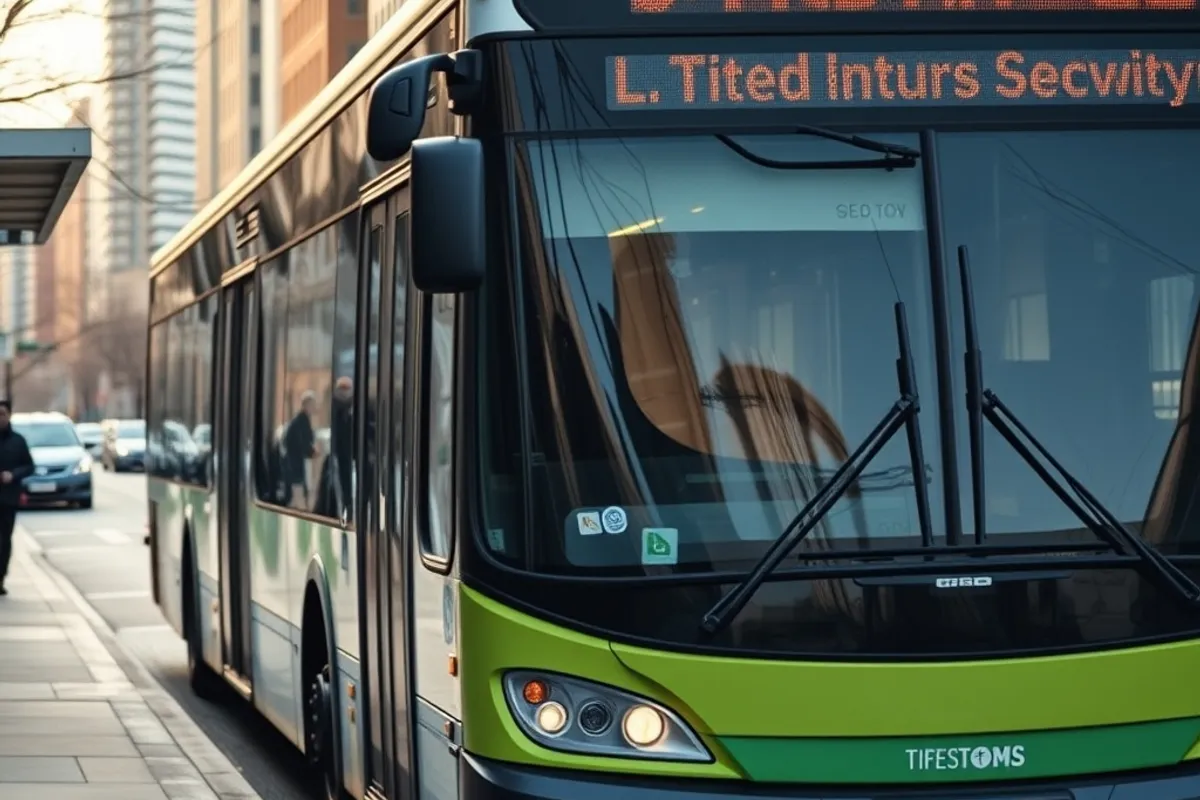
The $84 million transit increase is tied to service hours rather than capital projects. That means more evening and weekend buses, not new vehicles. The condition matters: the funding drops if the agency misses its reliability targets for two consecutive quarters.
Reliability is measured by on-time departures, a metric critics say misses the passenger experience. A bus that arrives on time but is too full to board counts as a success. The agency has agreed to publish crowding data alongside the punctuality figures, which will make the argument harder to spin.

3. Health and care shifts toward home
Community care receives an extra $61 million, with a clear direction: keep people out of residential facilities where possible. The budget funds 1,200 additional home-care hours a week and a new grants program for small providers. That is cheaper per person and usually preferred by patients, but it depends on a workforce that is already short.
Recruitment is the weak point. The budget includes a modest pay rise for home-care workers, below what unions asked for, and no funding for training places until next year. Without staff, the extra hours are an accounting entry rather than a service.
4. Roads and water get a catch-up
Infrastructure gets $173 million, split between road resurfacing and water main replacement. The water line is the more urgent: the city's own asset report says 23 percent of mains are past their expected life. Replacing them is expensive and disruptive, but the alternative is more emergency repairs and more boil-water notices.
The road budget uses a condition-based model, which is a quiet improvement. Instead of resurfacing the worst-looking streets, the city will prioritize roads where a timely repair avoids a much larger rebuild. Residents may see fewer dramatic transformations and fewer potholes in five years.

5. Administration shrinks, slowly
The only major cut is $46 million from administration, achieved by merging three departments and reducing vacant posts. No frontline staff are named for redundancy, which is politically convenient and administratively optimistic. Mergers often cost money before they save it, and the budget sets aside only $9 million for transition costs.
If the savings do not materialize, the money has to come from somewhere. The budget does not say where, which is the largest unaddressed risk in the document. Watch the quarterly reports rather than the press release.
"A budget is a set of promises with dates attached. The vote is the easy part; the quarterly reports are where the truth shows up."
What it means for households
Most households will see little change in taxes this year. The average residential bill rises about 1.8 percent, below inflation, with a larger increase for properties in the highest value band. Fees for waste collection rise $14 a year; library fines stay suspended for another 12 months.
The bigger effect is service quality. More teachers, more evening buses and fewer water emergencies are the kind of improvements that are hard to measure in a headline but easy to feel over time. The consolidation review and the home-care staffing gap are the two places where the plan could quietly fail.
What happens next
A public hearing is scheduled for 21 October, and amendments are due two days before the final vote on 29 October. Last year, 14 amendments passed; most were small, but one restored a youth program that the draft had cut. Residents who care about a specific line should contact their representative before the deadline, not after.
Read the full document on the council website, and follow the new transparency rules to see how the spending will be reported. More coverage in Political Developments.
For the household-level view, see our weekly cost check.