How a Neighborhood Garden Became the City's Quiet Safety Net
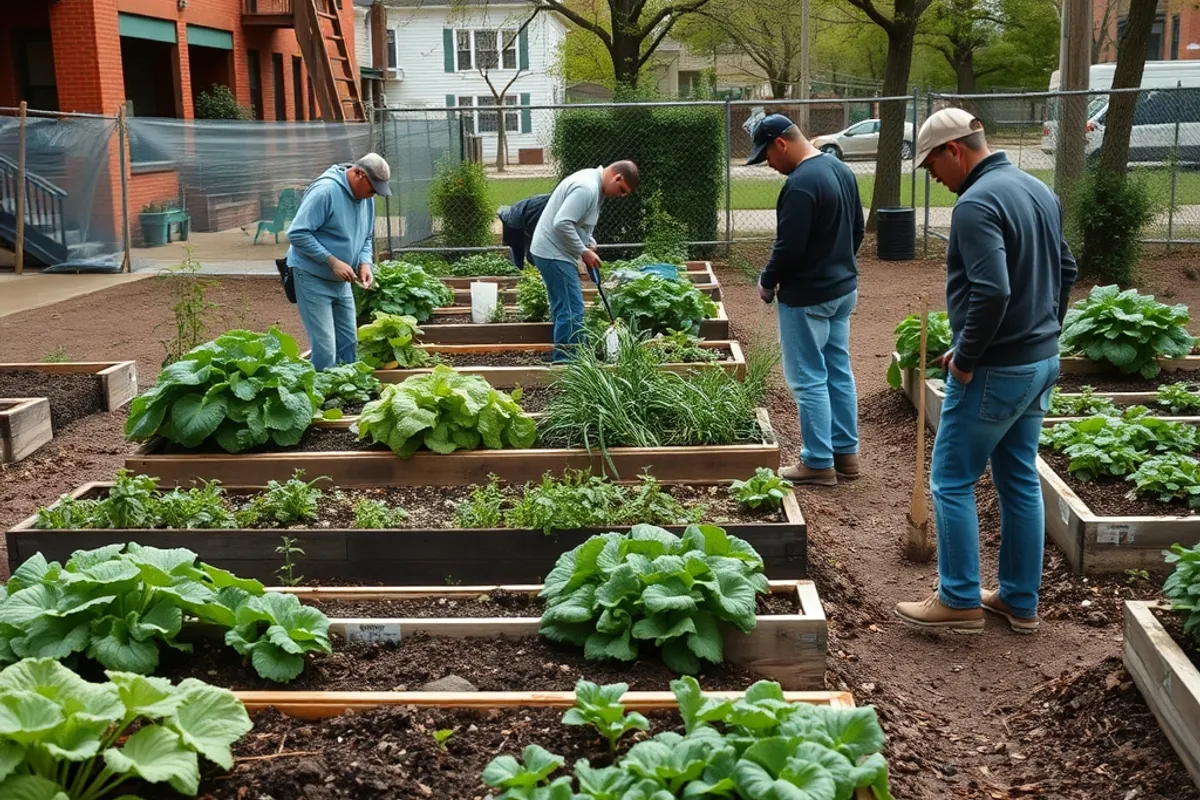
Seven years ago, the lot on Mercer Street was a shortcut for dumping. Today it holds 40 raised beds, a tool shed, two compost bays and a small orchard, and it produces enough food that the surplus table at the front gate is rarely empty. The garden is not a charity project. It is a membership organization with rules, fees and a waiting list of 63 households.
The garden's value is not only in vegetables. Neighbors who once called the city about dumping now call each other about water schedules. The block association meets at the picnic table. A retired carpenter built the shed with donated lumber. When a storm took down a fence, 19 people showed up on a Saturday to fix it.
From liability to asset
The land is owned by the city and was acquired through a tax foreclosure. The first fight was getting a lease, which took 18 months and three committee hearings. The second was insurance, which initially cost more than the garden's entire budget. A partnership with a local nonprofit solved that by extending its coverage to the site.
Soil was the third problem. Testing found elevated lead near the old garage footprint, so the beds are raised and lined, with clean soil brought in. That decision added $4,000 to the startup cost and is the reason the garden can grow leafy greens safely. Any group starting on former industrial land should test first, not after planting.

How membership works
Members pay $30 a year, or $5 if they qualify for the subsidized rate. Everyone contributes four hours of communal work per season, which covers paths, compost and the shared herb beds. Rule-breaking is handled by a small committee, and the most common disputes are about water during dry weeks and untidy plots.
The waiting list is managed by seniority, with a preference for households within walking distance. That is deliberate: the garden is meant to serve the block, not become a destination for people with cars and spare weekends. The policy is popular with neighbors and occasionally unpopular with applicants from farther away.
"The garden works because it asks something of everyone. Free food with no obligation would have lasted one season."
The surplus table
A table at the front gate holds whatever members do not need, and anyone can take from it. In practice, the table is a quiet form of food assistance that carries no paperwork and no stigma. During the summer, it often holds tomatoes, courgettes and herbs; in October, squash and apples from the orchard.
The garden also supplies a nearby community kitchen with 30 to 50 pounds a week during peak season. That arrangement was formalized two years ago after a volunteer noticed how much produce was going unused. It is not enough to run a meal program, but it fills gaps in a way that cash donations cannot.
Money and the mundane
The annual budget is modest but not zero. Water is the largest line, followed by soil and insurance. Membership fees cover about a third; a hardware store sponsorship and a small city grant cover most of the rest. The garden has no paid staff, which keeps costs low and puts a ceiling on what it can do.
Fundraising is the least popular task. Members would rather weed than write grant applications, and the coordinator role rotates every two years to avoid burnout. The system works, but it is fragile. A single bad storm, a rent increase for the water meter or a key volunteer leaving could set the garden back a season.
Can it be copied?
Four things made this work: a secure lease, tested soil, insurance coverage through a partner, and a membership model that asks for money and time. Groups that skip any of those tend to struggle. The most common failure is starting with enthusiasm and no written agreement about who decides what.
The city now has a template for temporary garden leases, largely because of this block and two others like it. There are 14 vacant lots on the priority list. If even half become gardens, the neighborhood will have more shade, more food and more reasons to know its neighbors.
For more on local projects, read the library that runs on volunteer shifts or browse Community Stories.