Introduction & Background
The digital revolution has reshaped industries, redefined consumer expectations, and introduced unprecedented opportunities for businesses worldwide. In today’s fast-paced environment, organizations that embrace digital transformation are not just surviving, they are thriving by leveraging technology to drive innovation, efficiency, and customer engagement. The shift from traditional business models to digitally connected ecosystems has become essential for staying competitive in the global market. With advancements in artificial intelligence, cloud computing, big data analytics, and the Internet of Things (IoT), businesses are now able to operate in real time, make data-driven decisions, and deliver personalized experiences at scale. This transformation is not merely about adopting new tools, it is about fundamentally rethinking how value is created and delivered in a connected future.
Concept & Overview
Digital evolution refers to the continuous integration of digital technologies into all areas of a business, fundamentally changing how it operates and delivers value to customers. At its core, this evolution involves the convergence of physical and digital systems, enabling seamless interactions and data-driven processes. The concept goes beyond simple digitization, which involves converting analog information into digital formats. Instead, digital transformation focuses on using technology to fundamentally alter business models, enhance customer experiences, and optimize operational performance. It relies on principles such as agility, scalability, interoperability, and user-centric design. Companies that undergo successful digital evolution often prioritize innovation, invest in talent development, and foster a culture of continuous learning. The ultimate goal is to create a resilient, adaptive organization capable of navigating disruption and seizing new opportunities in an increasingly interconnected world.
Key Features & Highlights
- Real-time Data Processing: Businesses now harness real-time analytics to monitor operations, predict trends, and respond instantly to market changes. This capability enhances decision-making and reduces operational delays.
- Cloud-Based Infrastructure: Cloud computing allows companies to scale resources dynamically, reduce IT costs, and access advanced tools without heavy upfront investments. It also supports remote work and global collaboration.
- Artificial Intelligence & Automation: AI-driven tools automate repetitive tasks, improve customer service through chatbots, and enable predictive maintenance in manufacturing. Automation increases efficiency and reduces human error.
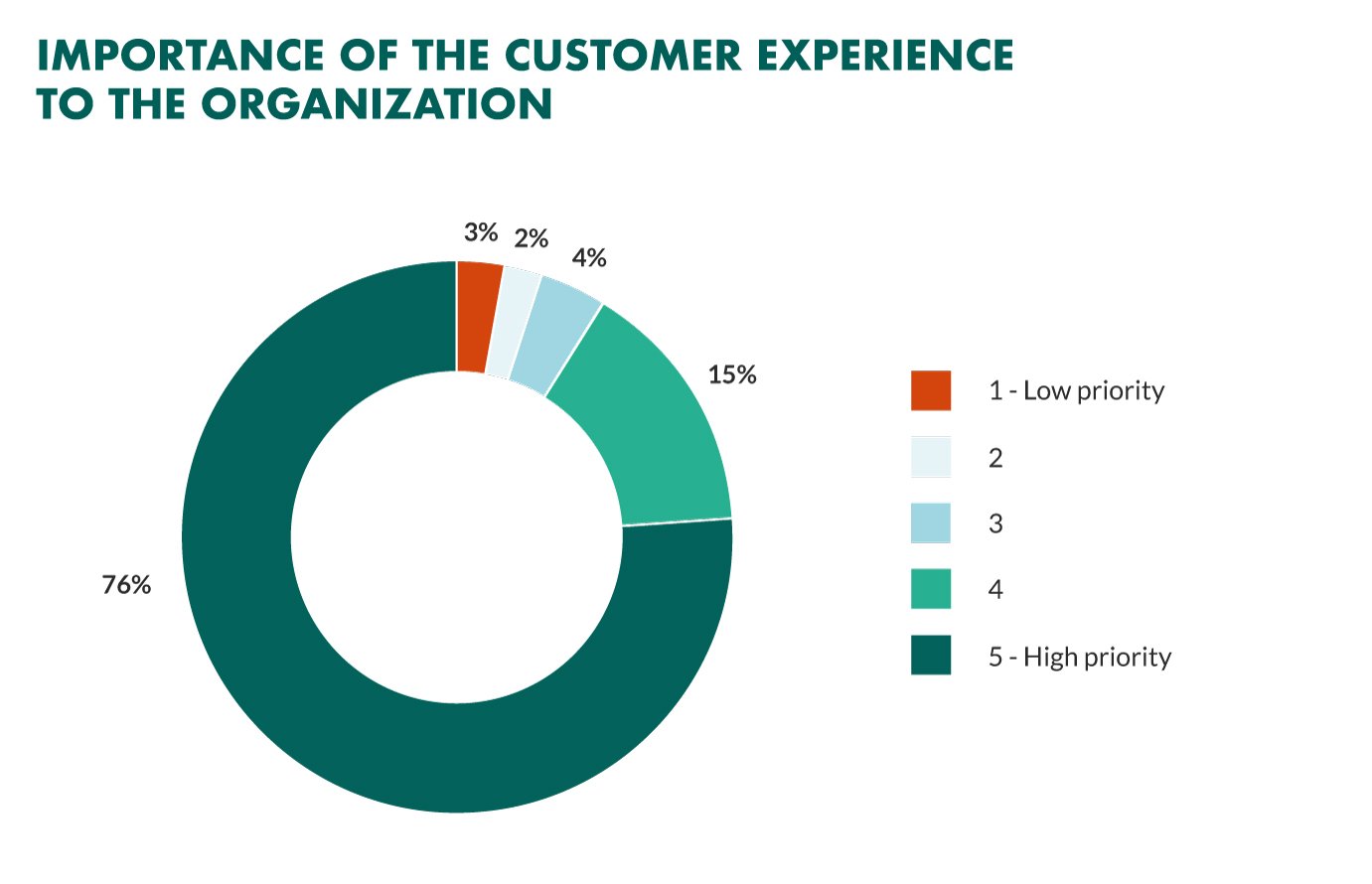
- Omnichannel Customer Engagement: Customers expect consistent, personalized experiences across digital and physical touchpoints. Businesses integrate CRM systems, mobile apps, and social media to deliver unified journeys.
- Cybersecurity & Compliance: As digital ecosystems expand, protecting data and ensuring regulatory compliance become critical. Advanced encryption, identity management, and compliance frameworks safeguard sensitive information.
- Ecosystem Integration: Partnerships and APIs enable businesses to connect with third-party platforms, suppliers, and customers. This interconnected approach fosters innovation and expands market reach.
Frequently Asked Questions / Pros & Cons
What is the main driver behind digital transformation in businesses?
Consumer behavior and technological advancements are primary drivers. Customers now demand instant access, personalized services, and seamless interactions. At the same time, breakthroughs in AI, cloud services, and IoT make it feasible for businesses to meet these expectations efficiently.
What are the biggest challenges companies face during digital transformation?
Common challenges include legacy system integration, resistance to change from employees, high implementation costs, data privacy concerns, and skill gaps within teams. Additionally, aligning transformation goals with overall business strategy can be complex.
Pros:
- Improved operational efficiency and cost savings.
- Enhanced customer satisfaction and loyalty through personalized experiences.
- Greater agility and faster time-to-market for new products and services.
- Access to real-time insights that drive strategic decisions.
Cons:
- Significant upfront investment and ongoing maintenance costs.
- Potential disruption to existing workflows and business models.
- Increased cybersecurity risks if not properly managed.
- Dependency on technology can create vulnerabilities during outages or system failures.
Is digital transformation only for large enterprises?
No, businesses of all sizes can benefit from digital transformation. Small and medium-sized enterprises (SMEs) can adopt scalable cloud solutions, automation tools, and digital marketing strategies to compete more effectively. The key is to start with focused initiatives that address core business needs.
How long does a typical digital transformation take?
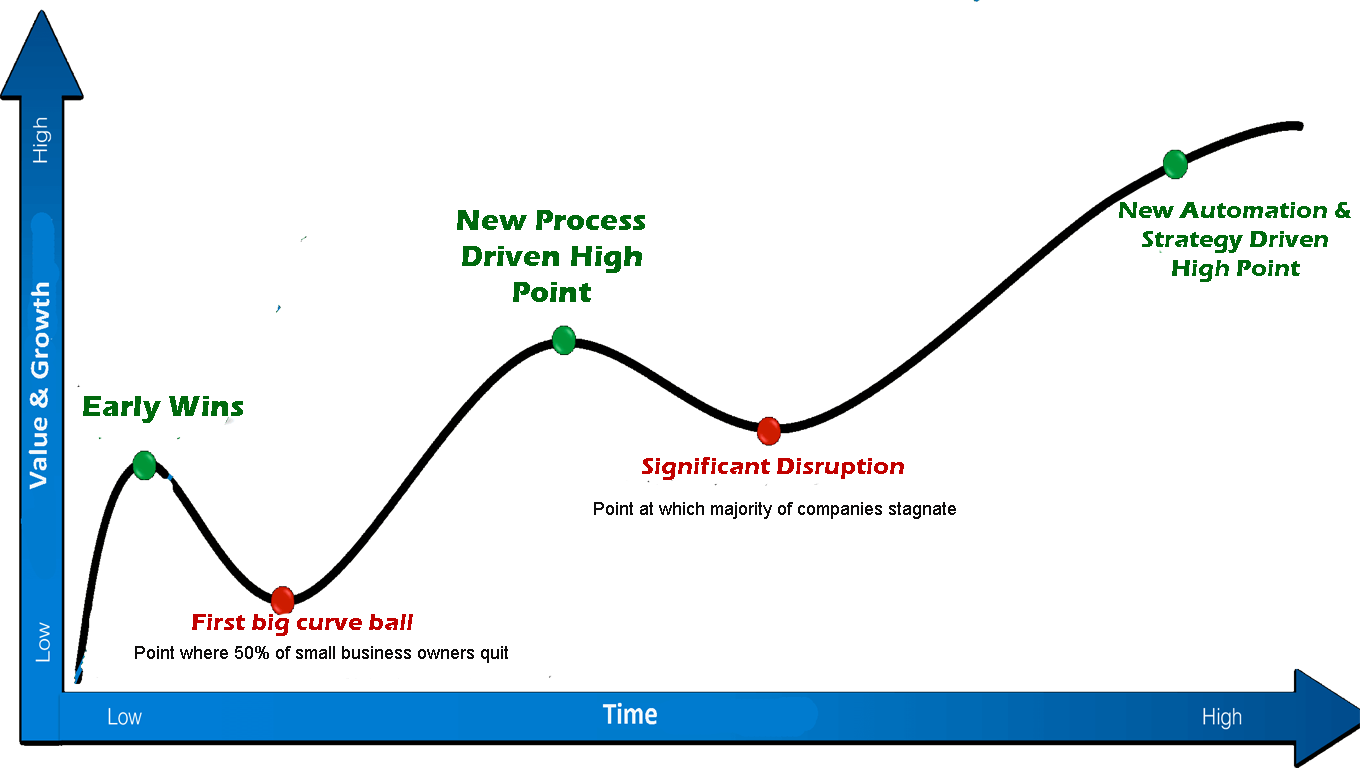
Transformation timelines vary widely depending on the organization’s size, industry, current infrastructure, and goals. Some companies see measurable results within a year, while others may take three to five years to fully integrate digital processes. Continuous improvement is often more valuable than rushing completion.
Practical Guidance & Solutions
To embark on a successful digital transformation journey, businesses should start by conducting a comprehensive digital audit to assess current capabilities and identify gaps. This audit should evaluate existing technology, processes, workforce skills, and customer experiences. Next, define clear, measurable objectives aligned with long-term business goals. For instance, a retailer might aim to reduce cart abandonment through AI-driven recommendations or improve supply chain visibility using IoT sensors.
Investing in employee training and change management programs is crucial to overcome resistance and build internal expertise. Upskilling teams on digital tools, agile methodologies, and data literacy fosters a culture of innovation. Additionally, partnering with technology providers or consultants can accelerate adoption and provide access to specialized knowledge.
Prioritizing cybersecurity from the start is essential. Implement multi-layered security protocols, regular audits, and staff awareness programs to mitigate risks. For businesses with limited resources, starting with pilot projects or phased rollouts can reduce risk and allow for iterative learning. Finally, fostering a customer-first mindset ensures that digital initiatives enhance rather than complicate user experiences.
Conclusion
Digital evolution is no longer a choice but a necessity for businesses aiming to thrive in a connected future. As technology continues to advance, organizations that embrace transformation will gain a competitive edge by delivering smarter, faster, and more personalized services. The journey requires vision, commitment, and adaptability, but the rewards are substantial increased efficiency, stronger customer relationships, and sustainable growth. By understanding the core principles, addressing challenges proactively, and taking deliberate steps toward integration, every business can unlock the full potential of a digitally transformed future. The time to act is now, as the businesses that lead today will define the industries of tomorrow.