Introduction & Background
The rise of e-commerce has transformed the way businesses and consumers interact, creating a dynamic digital marketplace that continues to expand at an unprecedented rate. In recent years, technological advancements and shifting consumer behaviors have accelerated this growth, making online sales a cornerstone of modern retail. The COVID-19 pandemic further accelerated this trend, as lockdowns and social distancing measures pushed more people toward digital shopping. Today, e-commerce is not just an alternative to traditional retail but a dominant force reshaping the global economy. Understanding the factors driving this growth is essential for businesses aiming to thrive in an increasingly competitive landscape.
Concept & Overview
E-commerce growth refers to the rapid expansion of online retail transactions, fueled by innovations in technology, changing consumer preferences, and improved digital infrastructure. At its core, e-commerce leverages digital platforms to facilitate the buying and selling of goods and services, eliminating geographical barriers and streamlining the shopping experience. The concept encompasses various models, including business-to-consumer, business-to-business, and consumer-to-consumer transactions. As mobile devices, artificial intelligence, and data analytics become more integrated into retail strategies, the boundaries of what is possible in online commerce continue to expand. This evolution is not just about selling more products but about creating seamless, personalized, and efficient shopping experiences that meet the demands of today’s digital-savvy consumers.
Key Features & Highlights
- Mobile Commerce Revolution: The proliferation of smartphones and mobile apps has made shopping on-the-go a norm. Features like one-click payments, mobile wallets, and app-exclusive deals have made mobile commerce a major driver of e-commerce growth.
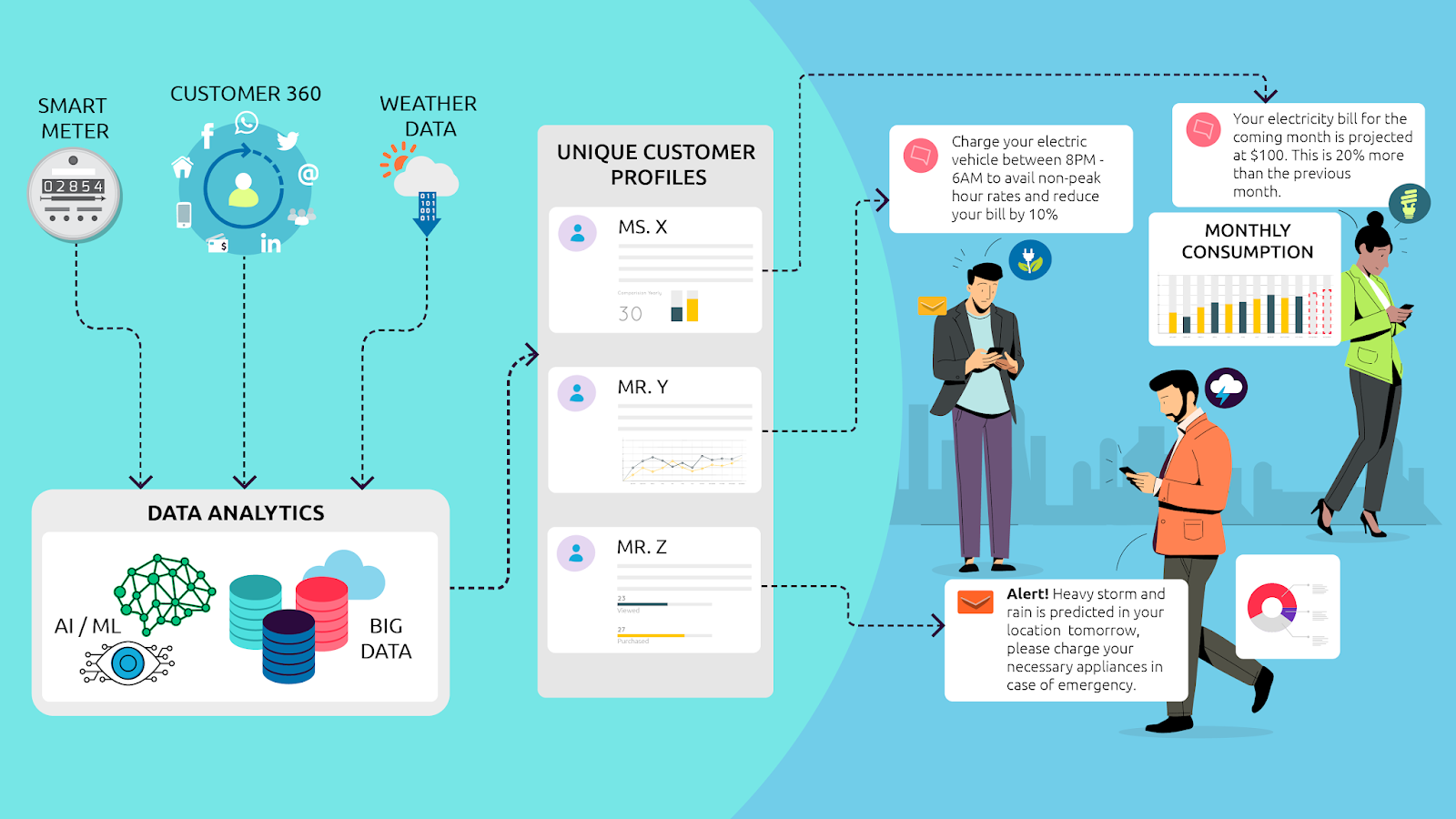
- Personalization Through AI: Artificial intelligence and machine learning algorithms analyze customer data to deliver tailored product recommendations, personalized emails, and dynamic pricing. This level of customization enhances customer engagement and boosts conversion rates.
- Seamless Payment Solutions: Digital payment gateways, such as PayPal, Stripe, and digital wallets like Apple Pay and Google Pay, have simplified transactions and reduced cart abandonment. Secure and fast payment options are now a standard expectation among online shoppers.
- Social Commerce Integration: Platforms like Instagram, Facebook, and TikTok have introduced shopping features that allow users to discover and purchase products directly within the app. This blurring of lines between social media and e-commerce is creating new opportunities for brands to connect with customers.
- Sustainability and Ethical Shopping: Consumers are increasingly prioritizing eco-friendly products and transparent supply chains. E-commerce businesses that emphasize sustainability, such as offering carbon-neutral shipping or using recyclable packaging, are gaining a competitive edge.
- Augmented Reality and Virtual Try-Ons: Technologies like augmented reality (AR) allow customers to visualize products in their own space before purchasing. Virtual try-on tools for fashion, cosmetics, and furniture are reducing returns and increasing buyer confidence.
- Global Market Access: E-commerce platforms enable small businesses to reach international audiences without the need for physical stores. Tools like multi-currency payments and localized shipping options make global expansion more accessible than ever.
Frequently Asked Questions / Pros & Cons
What are the biggest challenges facing e-commerce businesses today?
E-commerce businesses face several challenges, including intense competition, rising customer acquisition costs, and the need to constantly adapt to rapidly changing technology. Cybersecurity threats, such as data breaches and fraud, also pose significant risks. Additionally, logistics and supply chain disruptions can impact delivery times and customer satisfaction. Balancing cost efficiency with high-quality customer service remains a persistent challenge.
How has social media influenced e-commerce growth?
Social media has become a powerful tool for e-commerce growth by enabling direct-to-consumer marketing, influencer partnerships, and social commerce features. Platforms like Instagram and TikTok allow brands to showcase products through engaging content, while shoppable posts and live-stream shopping create immersive buying experiences. Social media also facilitates customer reviews and word-of-mouth marketing, which are critical for building trust and credibility.
Is AI truly effective in boosting online sales, or is it just hype?
AI has proven to be highly effective in boosting online sales by enhancing personalization, improving customer service through chatbots, and optimizing pricing strategies. Data-driven insights help businesses understand customer behavior and predict trends, leading to more targeted marketing campaigns. While AI requires investment and expertise, its measurable impact on conversion rates and customer retention makes it a valuable asset for e-commerce growth.
What role does sustainability play in e-commerce success?
Sustainability is increasingly influencing consumer purchasing decisions. Shoppers are more likely to support brands that demonstrate environmental responsibility, such as using biodegradable packaging or sourcing ethically produced materials. E-commerce businesses that prioritize sustainability not only attract eco-conscious customers but also build long-term brand loyalty and reduce regulatory risks. However, implementing sustainable practices often requires upfront costs and supply chain adjustments.
How important is mobile optimization for e-commerce websites?
Mobile optimization is critical for e-commerce success, as a significant portion of online traffic and transactions now occur on mobile devices. A poorly optimized mobile site can lead to high bounce rates and lost sales. Features such as fast loading times, intuitive navigation, and mobile-friendly checkout processes are essential. Google’s mobile-first indexing also means that search engine rankings are heavily influenced by mobile performance, making optimization a necessity rather than an option.
Practical Guidance & Solutions
For businesses looking to capitalize on the booming e-commerce landscape, several actionable strategies can drive growth and enhance customer experiences. First, invest in mobile optimization to ensure your website delivers a seamless experience on smartphones and tablets. This includes responsive design, fast loading speeds, and a streamlined checkout process. Next, leverage AI tools to personalize customer interactions, from product recommendations to targeted email campaigns. Using data analytics, you can identify customer preferences and tailor your offerings accordingly.
Another key solution is integrating social commerce features into your marketing strategy. Collaborate with influencers, create shoppable posts, and engage with your audience through interactive content on platforms like Instagram and TikTok. Additionally, prioritize sustainability by adopting eco-friendly packaging and transparent sourcing practices. Highlight these efforts in your marketing to appeal to environmentally conscious consumers.
To overcome logistical challenges, partner with reliable logistics providers and consider offering multiple shipping options, including express delivery and carbon-neutral shipping. Finally, stay ahead of cybersecurity risks by implementing robust encryption, secure payment gateways, and regular security audits. By addressing these areas, businesses can not only survive but thrive in the competitive e-commerce environment.
Conclusion
E-commerce growth shows no signs of slowing down, driven by technological innovation, changing consumer behaviors, and the expanding digital economy. Businesses that embrace mobile commerce, AI-driven personalization, and sustainable practices are well-positioned to capitalize on this trend. Social media and seamless payment solutions further enhance the shopping experience, making online sales more accessible and engaging than ever. While challenges like cybersecurity and logistical complexities persist, proactive strategies and a customer-centric approach can turn these obstacles into opportunities. As the e-commerce landscape continues to evolve, staying adaptable and forward-thinking will be key to unlocking sustained success in the digital marketplace.