Introduction & Background
In today’s rapidly changing world, digital transformation stands as one of the most transformative forces reshaping businesses, industries, and societies. The shift from traditional processes to digital-first approaches is no longer optional but a necessity for survival and growth. Organizations across sectors are witnessing the immense power of technology integration, enabling them to enhance efficiency, unlock new revenue streams, and deliver superior customer experiences. The global pandemic further accelerated this trend, proving that adaptability through digital means is critical for resilience. As connectivity expands and technology evolves, the art of digital transformation becomes not just a strategic advantage but a fundamental pillar for future readiness. This transformation is not merely about adopting new tools, but about reimagining the entire business model to thrive in a connected ecosystem.
Concept & Overview
Digital transformation refers to the integration of digital technology into all areas of a business, fundamentally changing how it operates and delivers value to customers. It goes beyond digitization, which is simply converting analog information to digital form, and instead focuses on digitalization, which involves leveraging digital technologies to improve business processes, enhance customer interactions, and create new business models. At its core, digital transformation is driven by the convergence of cloud computing, artificial intelligence, big data analytics, the Internet of Things (IoT), and advanced connectivity such as 5G. These technologies enable businesses to be more agile, data-driven, and customer-centric. The goal is not just to automate existing processes, but to reinvent them to deliver better outcomes, faster decisions, and sustainable growth. It requires a cultural shift within organizations, fostering innovation, collaboration, and continuous learning. Leaders must champion this transformation, ensuring alignment between technology adoption and business objectives to fully realize its potential.
Key Features & Highlights
- Customer-Centric Approach: Digital transformation prioritizes the customer journey, using data and insights to personalize interactions, predict needs, and enhance satisfaction across all touchpoints.
- Data-Driven Decision Making: Organizations harness real-time data analytics to gain actionable insights, enabling leaders to make informed decisions that drive performance and innovation.
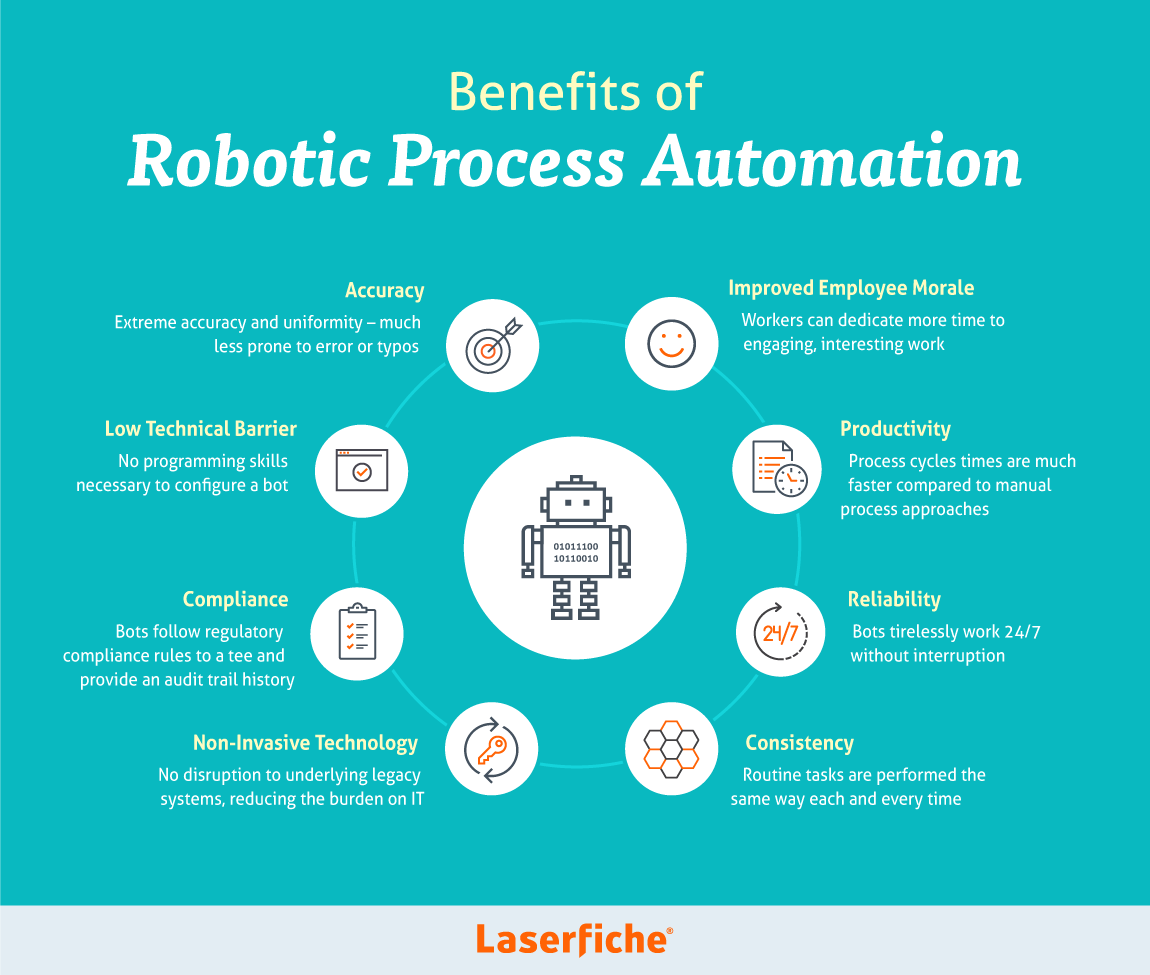
- Operational Agility: Through automation, cloud services, and modular IT architectures, businesses become more flexible and responsive to market changes and disruptions.
- Enhanced Collaboration: Digital tools such as collaboration platforms, virtual workspaces, and unified communication systems break down silos, fostering cross-functional teamwork and remote work capabilities.
- Scalable Technology Stack: Adopting scalable and interoperable technologies allows businesses to grow without being constrained by legacy systems, supporting global expansion and diversification.
- Security & Compliance: Modern digital transformation integrates robust cybersecurity measures and compliance frameworks to protect data and maintain trust in an increasingly connected environment.
- Sustainability Integration: Digital solutions contribute to environmental goals by optimizing resource use, reducing waste, and enabling smarter energy management through IoT and AI.
- Continuous Innovation: By embedding a culture of experimentation and iteration, organizations can rapidly test and deploy new ideas, staying ahead of industry trends and customer expectations.
Frequently Asked Questions / Pros & Cons
What are the main benefits of digital transformation for businesses?
Digital transformation brings numerous benefits, including improved operational efficiency, lower costs through automation, enhanced customer experiences, faster time-to-market, access to new revenue streams, and better decision-making through data analytics. It also strengthens competitive positioning and increases resilience against market disruptions.
Is digital transformation only for large enterprises?
No, digital transformation is valuable for businesses of all sizes. While large enterprises may have more resources, small and medium-sized businesses can benefit from scalable digital tools and cloud-based solutions that offer enterprise-level capabilities at affordable costs. The key is to start small, prioritize high-impact areas, and scale gradually.
What are the biggest challenges in implementing digital transformation?
The main challenges include resistance to change within the organization, lack of digital skills among employees, high implementation costs, legacy system integration issues, data security concerns, and the need for strong leadership commitment. Overcoming these requires a clear strategy, employee training, and a phased approach to adoption.
How does digital transformation impact the workforce?
Digital transformation often leads to changes in job roles, requiring employees to develop new digital skills. While some tasks may be automated, new roles in data analysis, digital marketing, cybersecurity, and technology management are created. Upskilling and reskilling initiatives are essential to prepare the workforce for the digital economy.
What role does leadership play in digital transformation success?
Leadership is critical in driving digital transformation. Leaders must set a clear vision, communicate the need for change, allocate resources, and foster a culture of innovation. Without strong leadership, initiatives may lack direction, resources, or momentum, leading to failure.
Can digital transformation fail, and if so, why?
Yes, digital transformation can fail if it is poorly planned, lacks alignment with business goals, or is driven by technology rather than business needs. Other reasons include insufficient budget, poor change management, inadequate training, and failure to measure progress. Success depends on strategic planning, stakeholder engagement, and continuous evaluation.
What is the relationship between digital transformation and customer experience?
Digital transformation is deeply linked to customer experience. By leveraging digital tools such as AI chatbots, personalized recommendations, mobile apps, and omnichannel support, businesses can deliver seamless, consistent, and personalized experiences. This not only increases customer satisfaction but also builds long-term loyalty and brand value.
Practical Guidance & Solutions
To successfully embark on a digital transformation journey, organizations should begin with a comprehensive assessment of their current digital maturity. Identify key pain points, outdated systems, and areas where technology can have the most impact. Establish clear, measurable objectives aligned with business goals, such as improving customer engagement or reducing operational costs.
Invest in the right technology stack that supports scalability, security, and integration. Cloud computing platforms offer flexibility and cost efficiency, while AI and machine learning tools can automate routine tasks and provide predictive insights. Prioritize data governance and ensure that data is accurate, accessible, and secure across all systems.
Leadership must communicate the vision and benefits of transformation to all stakeholders, fostering a culture of innovation and collaboration. Encourage employee participation through training programs, workshops, and open forums for feedback. Recognize and reward early adopters to build momentum and engagement.
Start with pilot projects in low-risk areas to demonstrate value and gain internal buy-in. Measure success using key performance indicators (KPIs) such as customer satisfaction scores, process efficiency gains, and return on investment (ROI). Use these insights to refine strategies and scale successful initiatives across the organization.
Finally, remain agile and open to iteration. Digital transformation is not a one-time project but an ongoing process. Regularly review progress, stay updated on emerging technologies, and be prepared to pivot strategies as market conditions and customer needs evolve. By taking a structured yet flexible approach, businesses can unlock the full potential of digital transformation and secure a thriving future in a connected world.
Conclusion
Digital transformation is more than a technological upgrade, it is a strategic evolution that redefines how businesses operate, compete, and serve their customers. In a world where connectivity and innovation shape the future, organizations that embrace this transformation will not only survive but thrive. The journey requires vision, courage, and commitment, but the rewards are immense: greater efficiency, deeper customer relationships, and sustainable growth. As technology continues to advance, those who master the art of digital transformation today will be the leaders of tomorrow. The time to act is now, to unlock the possibilities of a truly connected and intelligent future.