Introduction & Background
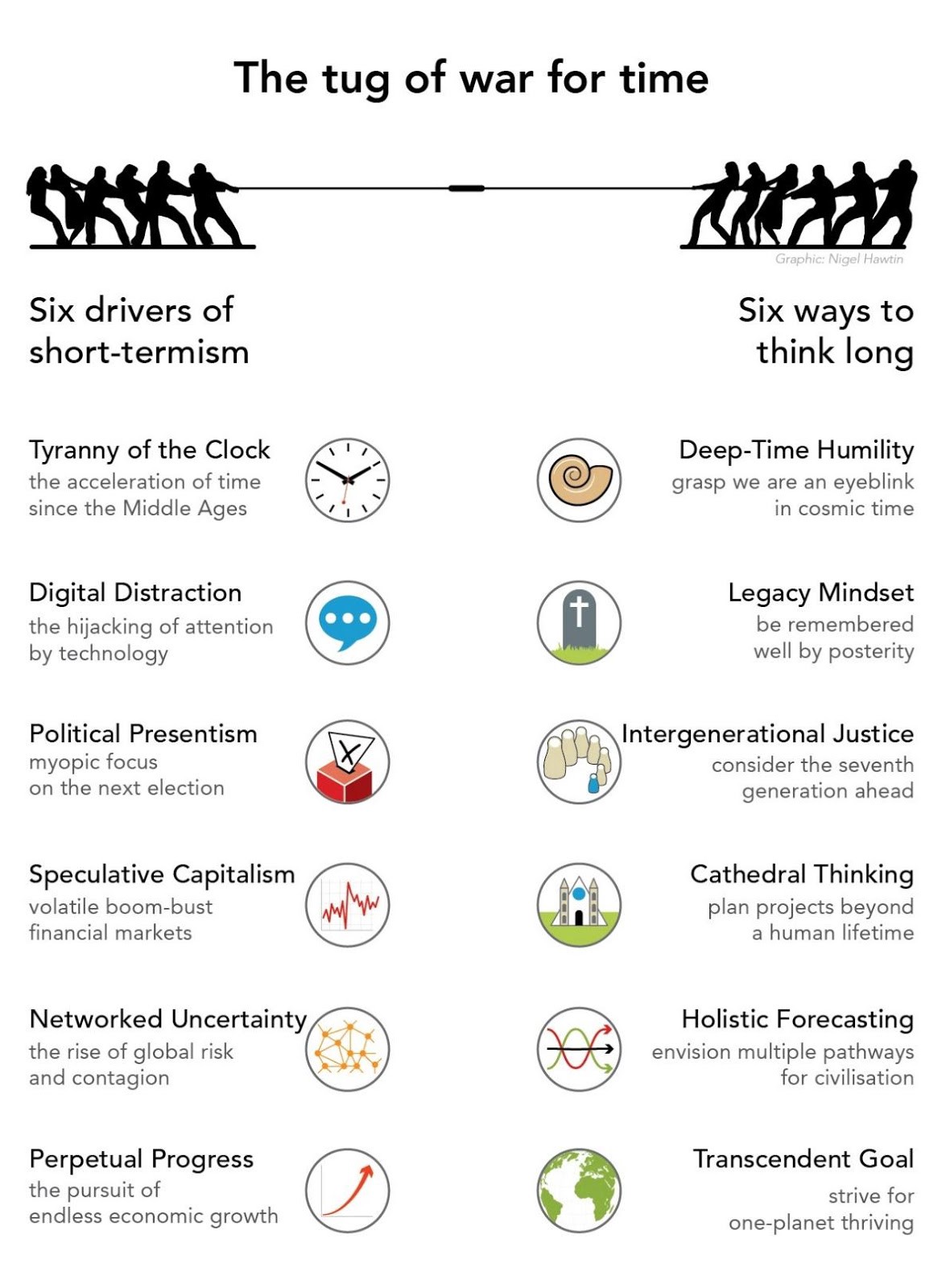
In today’s rapidly evolving business landscape, companies face mounting pressure to balance profitability with environmental and social responsibility. The traditional model of prioritizing short-term gains at the expense of long-term sustainability is no longer viable. Instead, a growing number of businesses are embracing sustainable practices as a cornerstone of their growth strategies. This shift is not merely a trend but a fundamental rethinking of how companies operate, compete, and innovate. Sustainable business practices are proving to be powerful catalysts for long-term growth, fostering resilience, attracting investment, and unlocking new market opportunities. As consumers, investors, and regulators increasingly demand accountability, businesses that integrate sustainability into their core operations are positioned to thrive in an increasingly competitive global economy.
Concept & Overview
Sustainable business practices refer to strategies and operations that meet the needs of the present without compromising the ability of future generations to meet their own needs. These practices encompass a wide range of initiatives, from reducing carbon footprints and minimizing waste to promoting ethical labor practices and investing in renewable energy. At their core, sustainable businesses prioritize the triple bottom line: people, planet, and profit. This holistic approach ensures that economic success is achieved in harmony with social equity and environmental stewardship. By embedding sustainability into their DNA, companies can drive innovation, enhance brand reputation, and create value that extends beyond financial metrics.
Key Features & Highlights
- Resource Efficiency: Businesses that optimize their use of natural resources, such as water, energy, and raw materials, not only reduce operational costs but also mitigate risks associated with resource scarcity. Innovations in technology and process design, such as energy-efficient machinery or closed-loop systems, enable companies to achieve more with less.
- Circular Economy Models: Moving away from the traditional linear “take-make-dispose” model, sustainable businesses adopt circular economy principles. This involves designing products for durability, repairability, and recyclability, as well as implementing take-back programs to recover and reuse materials. Such models foster a culture of reuse and reduce waste, creating closed-loop systems that benefit both the environment and the bottom line.
- Stakeholder Engagement: Engaging with stakeholders, including employees, customers, suppliers, and communities, is critical for sustainable success. Transparent communication and collaborative decision-making build trust and loyalty, while also uncovering opportunities for shared value creation. Companies that listen to their stakeholders are better equipped to address concerns and align their practices with societal expectations.
- Innovation & Technology: Sustainability and innovation go hand in hand. Businesses that invest in research and development to create eco-friendly products, services, and processes often gain a competitive edge. Technologies such as artificial intelligence, blockchain, and the Internet of Things (IoT) can optimize supply chains, improve energy management, and enhance transparency, driving both efficiency and sustainability.
- Regulatory Compliance & Risk Management: Adhering to environmental, social, and governance (ESG) standards is not just a legal obligation but a strategic advantage. Companies that proactively comply with regulations and exceed industry norms minimize legal risks, avoid costly penalties, and attract ethical investors who prioritize sustainable portfolios.
- Brand Reputation & Customer Loyalty: In an era where consumers are increasingly conscious of their purchasing decisions, sustainability has become a key differentiator. Brands that demonstrate a commitment to ethical and environmentally responsible practices build stronger emotional connections with their customers. This loyalty translates into repeat business and positive word-of-mouth, which are invaluable for long-term growth.
Frequently Asked Questions / Pros & Cons
What are the primary benefits of adopting sustainable business practices?
Adopting sustainable practices offers multiple benefits, including cost savings through resource efficiency, enhanced brand reputation, access to new markets and customer segments, and improved resilience to regulatory and market changes. Additionally, companies often experience higher employee morale and productivity, as well as stronger investor confidence due to better ESG performance.
Do sustainable business practices always lead to higher costs?
While some sustainable initiatives may require upfront investment, such as installing solar panels or retrofitting facilities, the long-term savings often outweigh the initial costs. Energy-efficient technologies reduce utility bills, waste reduction programs cut disposal costs, and sustainable supply chain practices minimize disruptions. Over time, these practices improve financial performance rather than hinder it.
How do small businesses implement sustainable practices without significant resources?
Small businesses can start with simple, low-cost measures, such as switching to energy-efficient lighting, reducing paper usage through digital documentation, or sourcing locally to minimize transportation emissions. Partnering with local sustainability initiatives or participating in industry-specific programs can also provide guidance and shared resources. Every small step contributes to meaningful impact when scaled across the business.
What role does technology play in sustainable business practices?
Technology is a critical enabler of sustainability, offering tools to monitor and reduce environmental impact, optimize resource use, and enhance transparency. For example, IoT sensors can track energy consumption in real-time, AI can optimize logistics routes to lower fuel usage, and blockchain can ensure ethical sourcing in supply chains. Investing in the right technology accelerates progress toward sustainability goals while driving operational efficiency.
Are there any challenges businesses face when transitioning to sustainable models?
Common challenges include resistance to change within the organization, lack of awareness or expertise, difficulty in measuring impact, and short-term financial pressures. However, these challenges can be overcome with strong leadership, employee training, and clear communication about the long-term benefits. Collaboration with sustainability consultants or industry peers can also provide valuable insights and support.
Practical Guidance & Solutions
Transitioning to sustainable business practices requires a strategic and systematic approach. Here are actionable steps to help businesses get started and stay on track:
Conduct a Sustainability Audit: Begin by assessing your current operations to identify areas where sustainability can be improved. Evaluate energy and water consumption, waste generation, supply chain practices, and employee engagement. Tools such as carbon footprint assessments or life cycle analyses can provide a clear picture of your environmental impact.
Set Clear, Measurable Goals: Establish specific, time-bound targets aligned with your sustainability vision. Whether it is reducing greenhouse gas emissions by 30 percent within five years or achieving zero waste to landfill, measurable goals create accountability and drive progress. Use frameworks like the United Nations Sustainable Development Goals (SDGs) or Science Based Targets initiative (SBTi) as guides.
Engage Employees & Stakeholders: Sustainability should be a collective effort. Involve employees at all levels by providing training, encouraging idea-sharing, and recognizing contributions. Engage suppliers to ensure they meet ethical and environmental standards, and collaborate with customers to educate them about sustainable choices. Transparency in communication fosters trust and strengthens relationships.
Invest in Green Technology & Innovation: Identify technologies that can enhance sustainability while improving efficiency. Consider energy management systems, renewable energy sources, or digital tools for tracking sustainability metrics. Explore partnerships with startups or research institutions to pilot innovative solutions that address specific challenges in your industry.
Integrate Sustainability into Core Business Strategy: Sustainability should not be an afterthought but a fundamental part of your business strategy. Align your mission and values with sustainable practices, and ensure they are reflected in decision-making processes. This integration ensures long-term commitment and prevents sustainability from being sidelined during challenging times.
Monitor Progress & Report Transparently: Regularly track your sustainability performance using key performance indicators (KPIs). Publish annual sustainability reports to share achievements, challenges, and future goals with stakeholders. Transparency builds credibility and demonstrates your commitment to continuous improvement.
Leverage Incentives & Partnerships: Take advantage of government incentives, grants, or tax credits for sustainable initiatives. Join industry consortia or sustainability networks to share best practices and collaborate on larger-scale projects. Partnerships with NGOs or academic institutions can also provide expertise and amplify your impact.
Conclusion
Sustainable business practices are no longer optional but essential for driving long-term growth and innovation. Companies that embrace sustainability are not only contributing to a healthier planet but are also positioning themselves for financial success, operational resilience, and market leadership. By integrating sustainability into their core strategies, businesses can unlock new opportunities, foster customer loyalty, and build a legacy that extends beyond profits. The journey toward sustainability is ongoing, requiring commitment, creativity, and collaboration. However, the rewards are substantial, offering a future where economic prosperity and environmental stewardship go hand in hand. As more businesses adopt these practices, they set a powerful example, demonstrating that profitability and sustainability are not mutually exclusive but are, in fact, the pillars of a thriving enterprise in the 21st century.