Introduction & Background
The retail landscape has undergone a dramatic transformation in the last decade, largely driven by the rapid advancement of technology. Online shopping, once considered a novelty, has now become a cornerstone of modern consumer behavior. Today, artificial intelligence (AI) stands at the forefront of this revolution, fundamentally altering how customers discover, evaluate, and purchase products. From personalized recommendations to seamless checkout processes, AI is not just enhancing the online shopping experience, it is redefining it entirely. Retailers are leveraging AI to bridge the gap between digital and physical commerce, creating more intuitive, responsive, and customer-centric platforms. As competition intensifies and consumer expectations rise, understanding how AI reshapes online retail is crucial for businesses aiming to thrive in this dynamic environment.
Concept & Overview
Artificial intelligence in online retail refers to the integration of intelligent systems that simulate human cognitive functions to streamline shopping operations and improve user engagement. At its core, AI analyzes vast amounts of data, such as browsing history, purchase patterns, and social interactions, to make real-time, data-driven decisions. These systems operate on machine learning models, natural language processing, and computer vision, enabling them to understand customer intent, predict trends, and even automate customer service. Unlike traditional retail models that rely heavily on human intuition and manual processes, AI-powered platforms can process information at unprecedented speeds and scale, delivering hyper-personalized experiences. The overarching goal is to create a frictionless, intuitive shopping journey that feels uniquely tailored to each individual while maximizing efficiency for retailers.
Key Features & Highlights
- Personalized Product Recommendations: AI algorithms analyze customer behavior to suggest products that align with individual preferences, increasing conversion rates and average order value.
- Dynamic Pricing Strategies: AI enables real-time price adjustments based on demand, competition, and customer profiles, optimizing profitability while maintaining competitiveness.
- Visual Search Capabilities: Customers can upload images of desired items, and AI-powered visual search tools identify similar or exact products across the retailer’s catalog.
- Chatbots & Virtual Assistants: 24/7 AI-driven customer support handles inquiries, tracks orders, and resolves issues, reducing wait times and improving satisfaction.
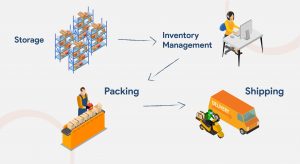
- Inventory & Supply Chain Optimization: AI predicts demand fluctuations, automates stock replenishment, and identifies supply chain bottlenecks, minimizing overstocking and stockouts.
- Fraud Detection & Security: Machine learning models continuously monitor transactions for suspicious patterns, protecting both retailers and customers from fraudulent activities.
- Voice Commerce Integration: With the rise of smart speakers, AI enables voice-activated shopping, allowing users to browse and purchase using natural language commands.
- Sentiment Analysis: AI evaluates customer reviews, social media posts, and support chats to gauge brand sentiment, enabling proactive reputation management.
Frequently Asked Questions / Pros & Cons
How does AI improve customer retention in online retail?
AI enhances customer retention by creating personalized experiences that make shoppers feel understood and valued. Through continuous learning from user interactions, AI delivers relevant content, timely promotions, and tailored recommendations. This increases engagement and loyalty, as customers are more likely to return to platforms that anticipate their needs. Additionally, AI-powered customer service ensures quick resolution of issues, further strengthening trust and satisfaction.
What are the main challenges of implementing AI in e-commerce?
One of the primary challenges is data privacy and security. Collecting and analyzing vast amounts of customer data raises concerns about compliance with regulations like GDPR and CCPA. Another challenge is the initial cost of AI integration, which includes technology acquisition, staff training, and system integration. There is also the risk of over-reliance on automation, which may reduce the human touch that some customers still prefer. Finally, ensuring the accuracy and fairness of AI models is critical to avoid biased recommendations or decisions.
Can small businesses afford AI-powered retail solutions?
While AI was once accessible only to large corporations, today many affordable and scalable AI tools are available for small and medium-sized businesses. Cloud-based AI services, such as chatbot platforms and recommendation engines, often operate on a pay-as-you-go model. This allows smaller retailers to access advanced capabilities without significant upfront investment. Partnering with AI-as-a-service providers can also help reduce costs and complexity, making AI adoption more feasible.
What is the role of AI in sustainability within retail?
AI contributes to sustainability by optimizing logistics and reducing waste. Intelligent inventory management minimizes overproduction and excess stock, lowering environmental impact. AI can also analyze consumer behavior to promote eco-friendly products and encourage sustainable purchasing habits. Furthermore, route optimization in delivery networks reduces fuel consumption and carbon emissions. By aligning retail operations with sustainability goals, AI helps businesses meet consumer demand for responsible practices while improving efficiency.
Practical Guidance & Solutions
For retailers looking to integrate AI into their online platforms, the following steps can serve as a practical roadmap:
Begin with a clear objective. Whether the goal is to improve personalization, reduce cart abandonment, or enhance customer support, defining specific outcomes will guide technology selection and implementation. Start small by piloting AI tools in one area, such as customer service or product recommendations, before scaling across the platform.
Invest in data quality and governance. AI systems are only as effective as the data they process. Ensure customer data is clean, accurate, and collected ethically with proper consent. Implement robust data security measures and comply with relevant privacy regulations to build trust with users.
Choose the right AI partners. Many technology providers offer pre-built AI solutions tailored for e-commerce. Evaluate vendors based on their track record, scalability, and support. Look for platforms that offer integration capabilities with existing systems, such as CRM or ERP software.
Focus on transparency and explainability. Customers appreciate knowing how AI influences their shopping experience. Provide clear explanations for product recommendations or pricing adjustments, and offer options to customize or opt out of AI-driven features. This builds trust and improves user acceptance.
Monitor performance and iterate. Use analytics to track the impact of AI implementations on key metrics such as conversion rates, customer satisfaction scores, and average order value. Regularly review AI model performance to identify biases or inaccuracies, and update algorithms to reflect changing consumer behaviors.
Train your team. AI adoption requires a shift in mindset and skills. Invest in employee training to help staff understand AI capabilities, limitations, and ethical considerations. Encourage collaboration between technical and business teams to ensure AI solutions align with overall business goals.
Conclusion
The integration of artificial intelligence into online retail is not just a trend, it is a fundamental evolution in how commerce operates. From hyper-personalized shopping experiences to intelligent supply chain management, AI is empowering retailers to meet the demands of today’s discerning consumers while driving operational excellence. As technology continues to advance, the boundaries of what’s possible will expand, offering even more innovative ways to connect buyers and sellers. For businesses willing to embrace AI, the future of retail is not just digital, it is intelligent, adaptive, and profoundly customer-centric. Those who act now to harness AI’s potential will not only stay competitive but will lead the next wave of retail transformation.