Introduction & Background
In today’s fast-paced digital economy, businesses across industries are realizing that traditional operational models are no longer sustainable. Customer expectations have shifted dramatically toward speed, convenience, and personalization, while competition has intensified across global markets. Companies that continue to rely on manual processes or outdated systems risk falling behind, struggling with inefficiencies, higher costs, and missed opportunities. The solution lies in business digitization, a transformative process that integrates digital technologies into every facet of operations. By embracing digitization, businesses unlock new levels of agility, scalability, and profitability. This shift is not just about adopting new tools, but about reimagining how work gets done to create sustainable growth in the digital age.
Concept & Overview
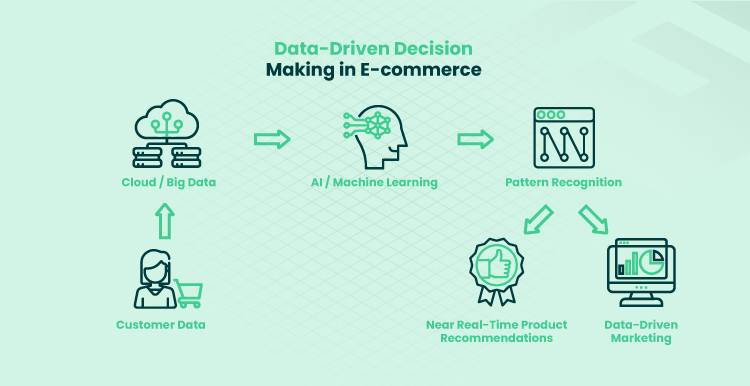
Business digitization refers to the process of converting analog or manual business operations into digital formats and workflows. This transformation leverages technologies such as cloud computing, artificial intelligence, data analytics, and automation to streamline processes, enhance decision-making, and create value. At its core, digitization is about using technology to eliminate inefficiencies, reduce human error, and enable real-time collaboration across teams and departments. It goes beyond simple automation by embedding intelligence and connectivity into systems, allowing businesses to respond quickly to market changes, customer needs, and competitive pressures. For leaders, digitization is not an option but a necessity for survival and expansion in a digitally driven world.
Successful digitization requires more than just installing software or migrating data to the cloud. It demands a cultural shift within the organization, where employees embrace digital tools and processes as part of their daily routines. It also involves reengineering workflows to be more fluid, data-driven, and customer-centric. When executed thoughtfully, digitization transforms static businesses into dynamic ecosystems capable of continuous learning and improvement. The result is not only operational excellence but also the ability to scale rapidly and capture new revenue streams.
Key Features & Highlights
- Automation of Routine Tasks: Repetitive and time-consuming tasks such as data entry, invoicing, and inventory management can be automated using software robots or workflow engines. This frees up employees to focus on higher-value activities like strategy, innovation, and customer engagement.
- Real-Time Data & Analytics: Digital systems provide instant access to real-time data across all departments. With integrated dashboards and reporting tools, leaders can monitor performance, identify trends, and make informed decisions without delays.
- Enhanced Customer Experience: Digitization enables businesses to offer personalized, omnichannel experiences. Customers can interact with brands through websites, mobile apps, chatbots, and social media, receiving consistent and responsive service at every touchpoint.
- Scalable Infrastructure: Cloud-based platforms allow businesses to scale up or down quickly based on demand. This elasticity reduces capital expenditures on hardware and ensures that systems can grow alongside the business without disruption.
- Improved Collaboration: Digital tools such as project management platforms, shared drives, and video conferencing facilitate seamless communication and teamwork, especially in remote or hybrid work environments. Teams can work together in real time, regardless of location.
- Stronger Security & Compliance: Modern digital platforms include robust security features like encryption, multi-factor authentication, and audit trails. These measures protect sensitive data and help businesses comply with industry regulations and privacy laws.
- Cost Reduction: By minimizing manual labor, reducing paperwork, and optimizing resource allocation, digitization lowers operational costs. Over time, these savings contribute directly to increased profit margins.
Frequently Asked Questions / Pros & Cons
What is the difference between digitization, digitalization, and digital transformation?
Digitization is the process of converting physical or analog information into digital formats. Digitalization refers to the use of digital technology to change how a business operates and delivers value. Digital transformation is a broader strategic shift that involves reimagining business models, culture, and customer experiences through digital innovation.
Is digitization only for large enterprises?
No, businesses of all sizes can benefit from digitization. Small and medium enterprises can start with affordable cloud-based tools, automation platforms, and customer relationship management systems to improve efficiency and competitiveness. The key is to choose solutions that align with the business’s current scale and growth goals.
What are the main challenges in implementing digitization?
Common challenges include resistance to change from employees, high upfront costs, integration issues with legacy systems, lack of digital skills, and ensuring data security. Overcoming these requires strong leadership, clear communication, and a phased implementation strategy.
Pros of Business Digitization:
- Increased operational efficiency and productivity.
- Faster time-to-market for products and services.
- Better customer insights and engagement.
- Reduced errors and waste in processes.
- Enhanced ability to adapt to market disruptions.
Cons of Business Digitization:
- Initial investment in technology and training can be significant.
- Potential for data breaches or cybersecurity threats if not managed properly.
- Over-reliance on technology may reduce human creativity and intuition.
- Integration challenges when merging new digital tools with old systems.
Practical Guidance & Solutions
Implementing digitization begins with a clear vision and strategy. Start by assessing current processes to identify bottlenecks and areas where digital tools can make the most impact. Engage stakeholders from all departments to ensure alignment and buy-in. Next, prioritize solutions that deliver quick wins and measurable results, such as automating invoicing or implementing a customer relationship management system.
Invest in training and upskilling employees to build digital literacy across the organization. Choose scalable and flexible technology platforms that can grow with the business and integrate easily with existing systems. Ensure robust cybersecurity measures are in place, including regular audits, employee training on phishing, and data encryption.
Monitor progress with key performance indicators (KPIs) such as process completion time, customer satisfaction scores, and cost savings. Use feedback loops to refine digital workflows and continuously improve. Finally, foster a culture of innovation by encouraging experimentation and rewarding digital initiative-taking. By taking a structured, iterative approach, businesses can successfully transition into digitally empowered organizations.
Conclusion
Business digitization is no longer a futuristic concept, it is a present-day imperative for growth and resilience. Companies that embrace digital transformation gain a powerful competitive edge by operating faster, smarter, and more efficiently. From automating mundane tasks to delivering personalized customer experiences, digitization unlocks new possibilities that were once out of reach. While the journey requires investment, planning, and cultural adaptation, the rewards are undeniable: increased profits, stronger customer loyalty, and long-term sustainability.
In a world where change is the only constant, businesses that lead with digital innovation will not only survive but thrive. The time to act is now. Start small, think big, and scale fast, because the future belongs to those who are digitally ready today.