Introduction & Background
In a world where change is the only constant, sustainable growth has emerged as the cornerstone of long-term success for businesses, economies, and societies. Rapid technological advancements, shifting consumer expectations, and increasing environmental concerns are reshaping the way we operate. The urgency to balance progress with responsibility has never been greater, making sustainable growth not just an option but a necessity for navigating tomorrow. Organizations and individuals alike must adapt to these evolving dynamics to thrive in an unpredictable future. This article explores how sustainable growth can be achieved in such a rapidly changing world, highlighting its importance and the strategies needed to make it a reality.
Concept & Overview
Sustainable growth refers to the ability to expand and develop in a way that meets present needs without compromising the ability of future generations to meet their own. It is rooted in the principles of environmental stewardship, social equity, and economic viability. Unlike traditional growth models that prioritize short-term gains, sustainable growth emphasizes long-term resilience and balance. This approach integrates innovation with responsibility, ensuring that progress does not come at the expense of people or the planet. By adopting sustainable practices, businesses and societies can create value that endures and adapts to changing conditions.
Key Features & Highlights
- Environmental Responsibility: Minimizing environmental impact by reducing waste, conserving resources, and adopting renewable energy sources. This includes efforts like carbon footprint reduction, sustainable supply chain management, and biodiversity preservation.
- Social Inclusivity: Ensuring fair and equitable practices that benefit all stakeholders, from employees to local communities. This involves promoting diversity, fostering safe working conditions, and supporting social development initiatives.
- Economic Viability: Building business models that are financially sustainable while contributing to broader economic health. This includes investing in innovation, creating jobs, and ensuring long-term profitability without exploiting resources.
- Technological Integration: Leveraging cutting-edge technologies such as artificial intelligence, blockchain, and the Internet of Things to enhance efficiency and sustainability. These tools can optimize operations, reduce emissions, and improve decision-making processes.
- Regulatory Compliance: Adhering to local and global regulations that promote sustainability, such as emissions standards, labor laws, and corporate governance guidelines. Staying ahead of compliance not only avoids penalties but also builds trust with consumers and investors.
- Stakeholder Engagement: Involving customers, employees, investors, and communities in sustainability efforts. Transparent communication and collaboration ensure that diverse perspectives are considered and that initiatives align with real-world needs.
Frequently Asked Questions / Pros & Cons
What is the primary goal of sustainable growth?
Sustainable growth aims to create long-term economic, social, and environmental value by ensuring that development meets current needs without harming future generations. Its goal is to achieve a balance between progress and preservation, fostering resilience in the face of change.
What are the main challenges to achieving sustainable growth?
Some of the key challenges include high initial costs for sustainable technologies, resistance to change within organizations, lack of awareness or education, and balancing short-term financial pressures with long-term benefits. Additionally, global disparities in resources and infrastructure can create uneven progress.
Pros:
- Enhanced brand reputation and customer loyalty through ethical practices.
- Cost savings from energy efficiency and waste reduction.
- Improved employee morale and productivity through better working conditions.
- Access to new markets and investment opportunities that prioritize sustainability.
- Resilience against climate-related risks and regulatory changes.
Cons:
- Higher upfront investments for sustainable technologies and practices.
- Potential delays in decision-making due to the need for thorough impact assessments.
- Difficulty in measuring and quantifying sustainability outcomes accurately.
- Competitive disadvantages in industries where sustainability is not yet a priority.
- Complexity in aligning global operations with diverse local regulations and cultural expectations.
Practical Guidance & Solutions
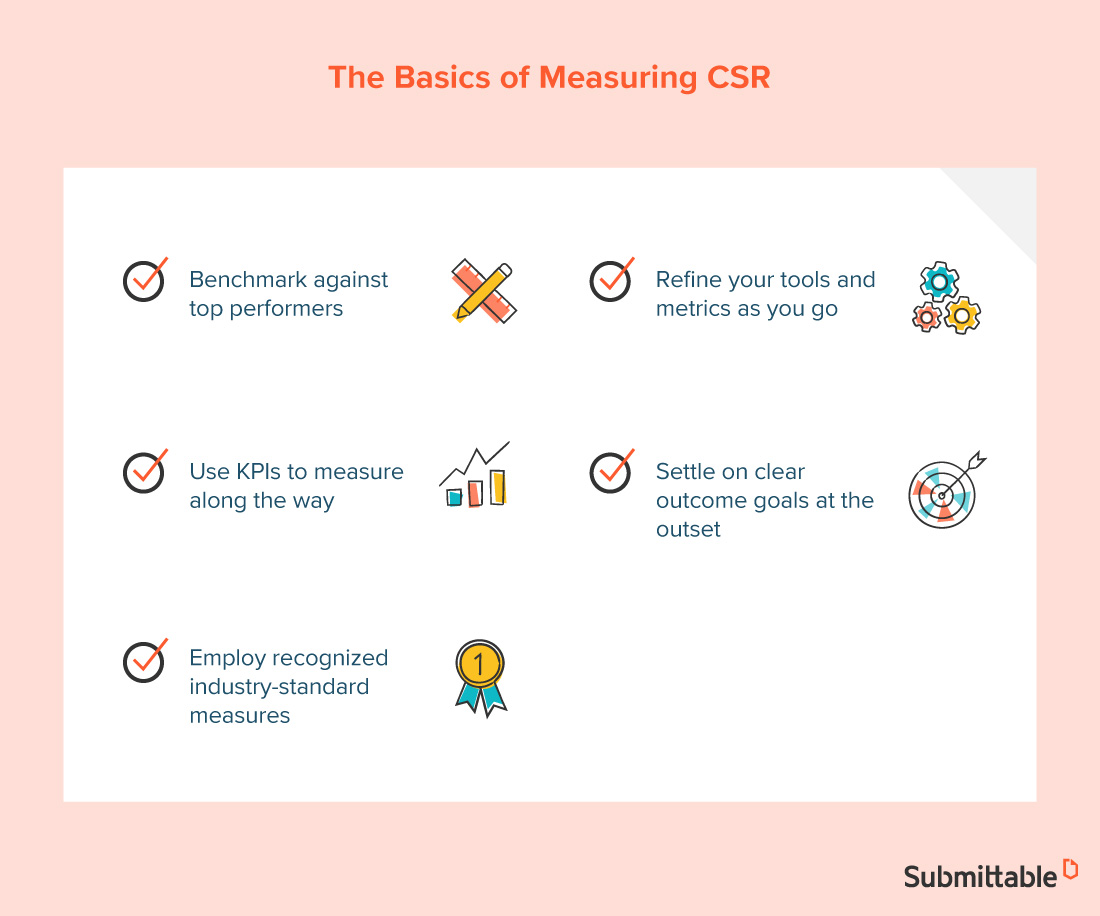
To successfully navigate sustainable growth, organizations should start by conducting a thorough assessment of their current practices and identifying areas for improvement. Setting clear, measurable goals is essential, whether it involves reducing carbon emissions, improving supply chain transparency, or enhancing employee well-being. Investing in training and education ensures that teams understand the importance of sustainability and are equipped to implement best practices.
Collaboration with industry peers, NGOs, and government bodies can provide valuable insights and resources. For example, joining sustainability initiatives or certification programs can help businesses stay accountable and gain credibility. Additionally, adopting a circular economy model, where resources are reused and recycled, can significantly reduce waste and create new revenue streams.
Technology plays a crucial role in tracking progress and optimizing performance. Tools like sustainability software can help monitor key metrics, while data analytics can identify trends and opportunities for improvement. It is also important to engage stakeholders through regular communication and feedback mechanisms, ensuring that sustainability efforts align with their expectations and needs.
Finally, fostering a culture of sustainability within the organization is vital. Leadership must champion these values, and employees should be encouraged to contribute ideas and take ownership of initiatives. Recognizing and rewarding sustainable practices can reinforce commitment and drive continuous improvement.
Conclusion
Sustainable growth is not a distant ideal but a practical pathway to resilience and prosperity in a rapidly changing world. By embedding environmental responsibility, social equity, and economic viability into their core strategies, businesses and societies can create a future that is both dynamic and enduring. The journey requires vision, commitment, and adaptability, but the rewards are substantial. From enhanced reputation and cost savings to a healthier planet and more inclusive communities, sustainable growth offers a blueprint for thriving in uncertainty. As we navigate tomorrow, let us embrace this opportunity to build a world where progress and preservation go hand in hand.